

By Passionate Fuza
When Zimbabwe introduced the Look East Policy in 2003, it was praised as a bold diplomatic shift. At that time, Zimbabwe was dealing with Western sanctions and isolation. Turning to China and other Asian nations like Malaysia and Japan was seen as a lifeline: bringing in new investments, opening new markets, and accessing new technology to help the country move toward prosperity.
Two decades later, the question remains: who has truly benefited from this relationship? Was the ordinary Zimbabwean ever part of this grand equation?
The Promise vs. the Reality
The Look East Policy was anchored on three main promises:
- Economic growth through trade agreements and financial partnerships
- Political support at global forums like the United Nations to counter Western pressure
- Legitimacy, projecting Zimbabwe as strong, independent, and sovereign
Yet the lived reality of communities tells a starkly different story. While the state repeats the mantra that “Zimbabwe is developing under this partnership,” the people continue to wait for tangible change.
Exploitation in the Mines
In Zvishavane, CNRG recently met with communities working with Chinese chrome investors. Their testimonies reveal a disturbing pattern of exploitation.
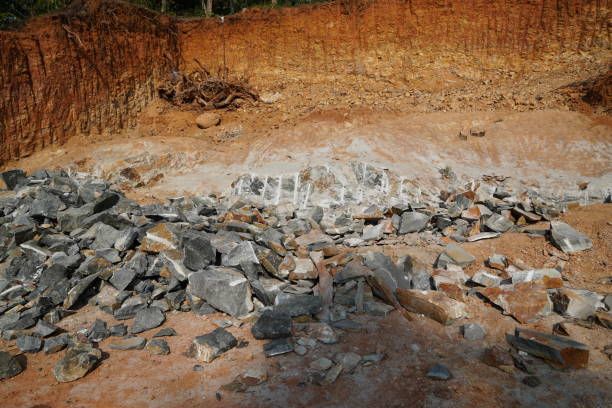
Local miners are forced to sell a tonne of chrome ore for as little as half a US dollar to a few dollars, dictated by Chinese buyers (contracts of these exploitative agreements are available). On the international market, that same ore fetches between $250 and $278 per tonne, and chrome concentrate can reach $345 per tonne (CIF Shanghai).
This massive price disparity tells a clear story of injustice and inequality. Zimbabwe’s natural wealth is generating profits abroad while local communities are left impoverished.
Similar patterns are visible across Marange, Hwange, Penhalonga, Bikita, and other mineral-rich regions, where communities report:
- Forced displacements from ancestral lands
- Polluted rivers and degraded environments without rehabilitation
- Exploited labor, with unsafe working conditions and poor pay
Despite mining contributing around 12% of Zimbabwe’s GDP and 80% of exports, these gains are invisible in the lives of ordinary people. Clinics remain underfunded, schools dilapidated, and salaries meagre.
Infrastructure and Debt
The Chinese footprint also extends into Zimbabwe’s infrastructure. New roads, dams, and the imposing Parliament building in Harare are showcased as fruits of “friendship.” But behind the ribbon-cuttings lie loan-financed projects that deepen Zimbabwe’s debt crisis.
These debts are shouldered by the public, binding future generations to repayments for deals they had no say in. Meanwhile, local contractors and skilled workers are sidelined, replaced by imported labor. Once again, the promise of development bypasses the very people it is meant to uplift.
Communities Speak, Communities Resist
From every corner of Zimbabwe, a consistent message emerges: this partnership has brought more harm than good. Communities are raising their voices, demanding:
- Fair and transparent contracts that secure jobs for Zimbabweans
- Investment in education, healthcare, and social services
- Value addition to minerals before export, ensuring more benefits remain in-country
- Environmental protection and accountability for damage caused by mining
- An end to exploitative labor practices
Communities are not asking for handouts; they are demanding justice, dignity, and sovereignty over their resources.
Time to Rethink Looking East?
The Look East Policy may have shielded Zimbabwe diplomatically, but its economic and social costs are heavy. Far from delivering development, it has deepened poverty, inequality, and despair in many resource-rich communities.
As Zimbabwe continues to look East, it must not neglect home. True development begins with people-centered policies that put communities, not foreign corporations, at the heart of the nation’s future.