
By Tanaka Ndongera
Recently, the continent gathered for the 3rd African Critical Minerals Summit from 25 to 26 September in Johannesburg, South Africa. This gathering brought together key stakeholders to shape the future of Africa’s critical minerals sector, focusing on driving initiatives to ensure Africa’s rich mineral resources are beneficiated locally, benefiting communities and economies across the continent.
The Summit took place at a time when Global demand for critical minerals is growing strongly, and following a wave of investment, projected supply gaps through 2035 are narrowing, notably for nickel, cobalt, graphite & rare earths.
As a young person, I have witnessed firsthand how our continent’s mineral wealth has been both a blessing and a curse, but from the current discussions in the continent, I see the dawn of a different narrative.
For too long, Africa has been the world’s treasure chest, yet our people remain impoverished while our cobalt powers electric vehicles in Europe, our lithium energizes smartphones in Silicon Valley, and our rare earth elements fuel the green energy revolution everywhere except on our own soil. The statistics are staggering. Africa holds over 30% of global mineral reserves, yet we contribute less than 3% to global mineral processing. This is not just an economic tragedy; it’s a generational theft that my generation refuses to accept.
Moving on, the geopolitical landscape is shifting dramatically. China’s use of critical minerals as tools of economic coercion has awakened the world to the strategic importance of supply chain diversification.
The U.S. has just expanded its critical minerals list to include 54 materials, adding copper, potash, and silicon minerals abundant across our continent. The European Union is scrambling to reduce its dependence on single-source suppliers. This presents Africa with an unprecedented window of opportunity, but only if we act decisively and collectively.
Moreover, as young Africans, we understand that the clean energy transition cannot happen without us, but it also cannot happen to us it must happen with us and for us. We possess the geological gifts essential for tomorrow’s technologies, the cobalt in the Democratic Republic of Congo that could power half the world’s electric vehicles, the platinum group metals in South Africa that are irreplaceable in fuel cells, and the graphite deposits across East Africa that are critical for battery storage. But our vision extends far beyond being the world’s quarry.
We envision processing facilities in Lagos, battery manufacturing plants in Harare, and solar panel assembly lines in Accra. We see African universities becoming global centers of excellence in mineral processing technology, with our youth leading research and innovation rather than merely providing raw materials, as emphasized by the Zimbabwean Education 5.0 model.
Additionally, the youth demographic dividend is our secret weapon. With over 65% of Africa’s population under 25, we have the energy, creativity, and digital nativity to leapfrog traditional industrial models. We are already seeing young entrepreneurs across the continent developing innovative solutions from blockchain-based mineral traceability systems in Ghana to clean mining technologies in Zambia.
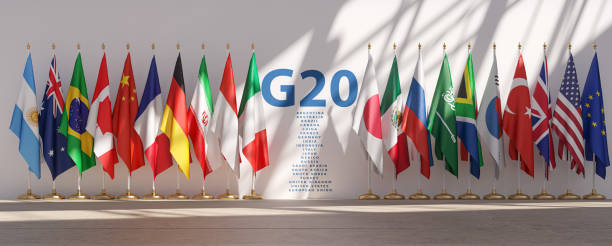
Furthermore, as the continent prepares for the Africa Climate Summit 2 (ACS2) in Addis Ababa, Ethiopia, from 8 to 10 September 2025 and gears up for COP30 in Belém and G20 Summit in Johannesburg with South Africa’s presidency, we have a unique opportunity to reshape global narratives around critical minerals. We must move from reactive policy making to proactive continental strategy, ensuring that our mineral wealth becomes the foundation for industrial transformation, not continued dependency.
Moreso, the path forward requires three fundamental shifts. First, we must invest heavily in technical education and research capabilities, creating a new generation of African mining engineers, geologists, and mineral processing experts. Second, we need to develop intra-African supply chains and regional value chains that reduce our reliance on external markets. Third, we must ensure that local communities, especially youth, are central beneficiaries of mineral extraction through employment, skills development, and community investment.
The critical minerals revolution is not just about batteries and electric cars; it’s about power, agency, and Africa’s rightful place in the global economy. As young Pan-Africans, we refuse to be passive observers in our own transformation story. We are the generation that will turn Africa’s mineral endowments into lasting prosperity, sustainable development, and continental integration.
In a nutshell, the question is not whether Africa will play a role in the global critical minerals supply chain we are indispensable. The question is whether we will remain suppliers of raw materials or become architects of value-added industries that serve our people first and the world second, as Africa Development Bank (AfDB) Former President Dr Adesina said, “Exporting Raw Materials is the Highway to Poverty”.
For my generation, the answer is clear: the age of resource extraction without transformation is over. The age of African mineral sovereignty has begun.