

By Munashe Masiyiwa
Mining remains a critical sector of Zimbabwe’s economy, yet across the country, communities continue to bear the brunt of poorly regulated operations. From Mutare to Hwange, residents face displacement, poisoned rivers, hazardous air, and widespread environmental destruction. The following highlights urgent challenges in four mining hotspots.
In Penhalonga, both formal and informal mining operations have created a “sea of gullies” through rampant, unregulated digging. Better Brands and Redwing Mine Management continue to sponsor artisanal pits, yet no land rehabilitation has been done. Makeshift gold processing plants (zviguruguru) rely on cyanide and mercury, leading to periodic livestock deaths and long-term soil contamination.
At Premier Estate, Sino Africa Huijin Holdings has been mining gold through heap leaching — a process flagged as risky in parliamentary hearings in 2023–2024. Despite a temporary halt, operations resumed with no corrective measures. Open-cast mining has devastated hills and fields, while heap leaching threatens aquatic life.
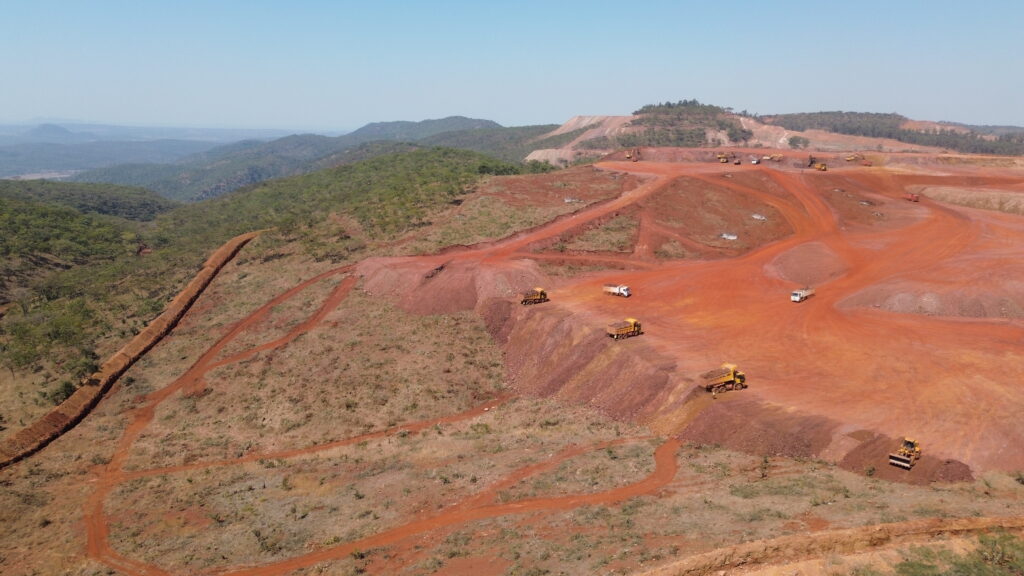
The combined effect of these activities is visible along the Mutare, Odzi, and Sabi Rivers, now heavily silted and polluted due to artisanal and small-scale mining.
In Magunje, the cement project led by Labenmon Investments has displaced community members, forced grave relocations, and poses risks to Kemureza Dam, a key water source. On 26 February, the High Court ordered operations to stop for failure to comply with environmental impact assessment (EIA) conditions. However, the company has continued mining in contempt of court, highlighting the impunity with which some firms operate.
The Boterekwa mountains, once renowned for their scenic beauty, are being destroyed by open-cast mining operations. Companies such as Dunraven, Peak Mine, and Cheng Xi leave behind degraded landscapes, polluted water sources, and biodiversity loss.
Dust pollution is a major public health concern, with suspected links to respiratory diseases in nearby communities. Furthermore, widespread use of cyanide in gold processing poses severe risks to human life and ecosystems, underscoring the need for safer, sustainable methods.
Hwange communities continue to grapple with the toxic legacy of coal mining. In Ingagula Ward 3, residents are exposed to dangerous levels of particulate matter (PM10 and PM0.5), putting them at risk of pneumoconiosis — yet the law does not cover community testing and treatment.
In Chilota, a Chinese coal company left behind a dead-end road on Dheka after extracting coal, ignoring repeated calls from traditional leaders for reconstruction. The Dheka River, once a lifeline for communities, is now poisoned by toxic waste from mining operations.
Even more devastating are coal seam fires across Hwange, such as at Zhong Jian Mine. These fires release toxic fumes and leave behind unstable ground. Several children have suffered permanent disabilities after falling into burning underground pits.
The experiences of Mutare, Magunje, Shurugwi, and Hwange reveal a common pattern: weak enforcement of environmental laws, corporate impunity, and the prioritization of profits over people. Without urgent reforms in natural resource governance, mining will continue to extract not just minerals, but also health, dignity, and futures from Zimbabwe’s communities.