By Munashe Masiyiwa
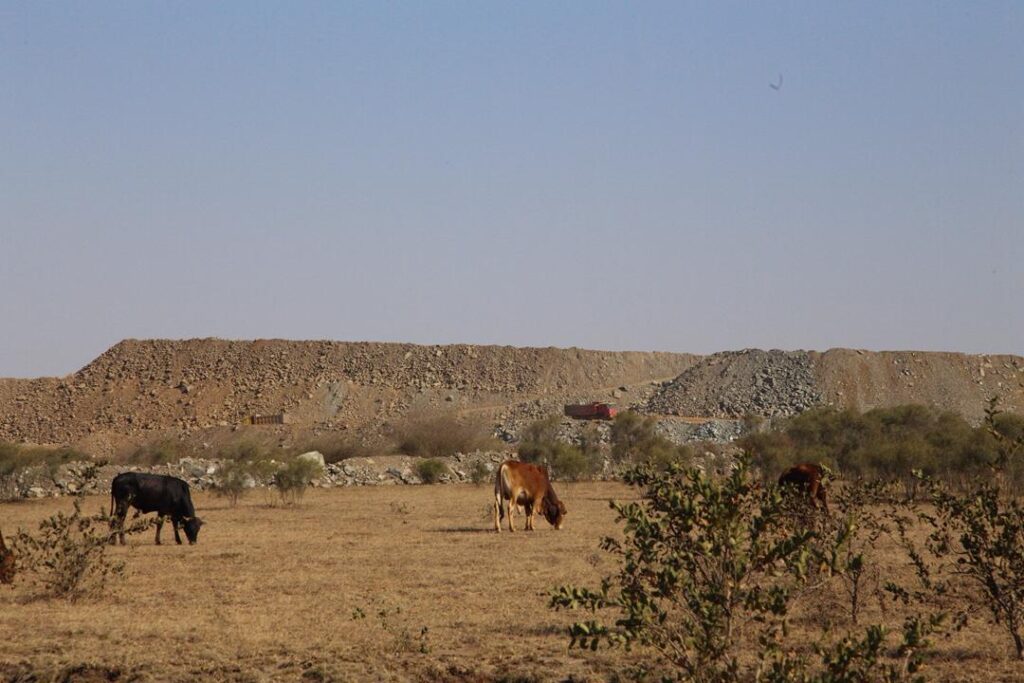
While traversing the Zvishavane–Shurugwi road, one cannot overlook the imposing mounds of mining waste deposits that now look like artificial mountains. These are not natural wonders but rather the consequences and offspring of unchecked big capital. This is a result of resource plunder that comes in as investment.
This overtly shows the tragedy of capitalism, where big capital reaps profits while elites and big politicians pocket kickbacks, and communities and the environment shoulder the detrimental impacts and devastating costs.
The Centre for Natural Resource Governance (CNRG) has continuously revealed and contested this reality. CNRG’s research, campaigning, and community mobilisation have for many years exposed how the politicisation, securitisation, and militarisation of natural resources further deepen the triple burden of unemployment, inequality, and poverty, where communities are left with no signs of dignity, no trace of justice, and no vestige of development. Natural resources have transformed from benefiting the populace to a vicious cycle of exploitation, environmental degradation, and human rights abuses.
At the recently concluded 7th Southern Africa Youth Forum (SAYoF) in Madagascar, which I attended, young leaders from the region participated in essential discussions on Pan-Africanism, sustainable development, and civic engagement. Environmental justice became a significant issue, profoundly aligning with the challenges faced in Zimbabwe. It emphasised that the struggle against resource exploitation is not solely a national issue but also a regional and continental matter.
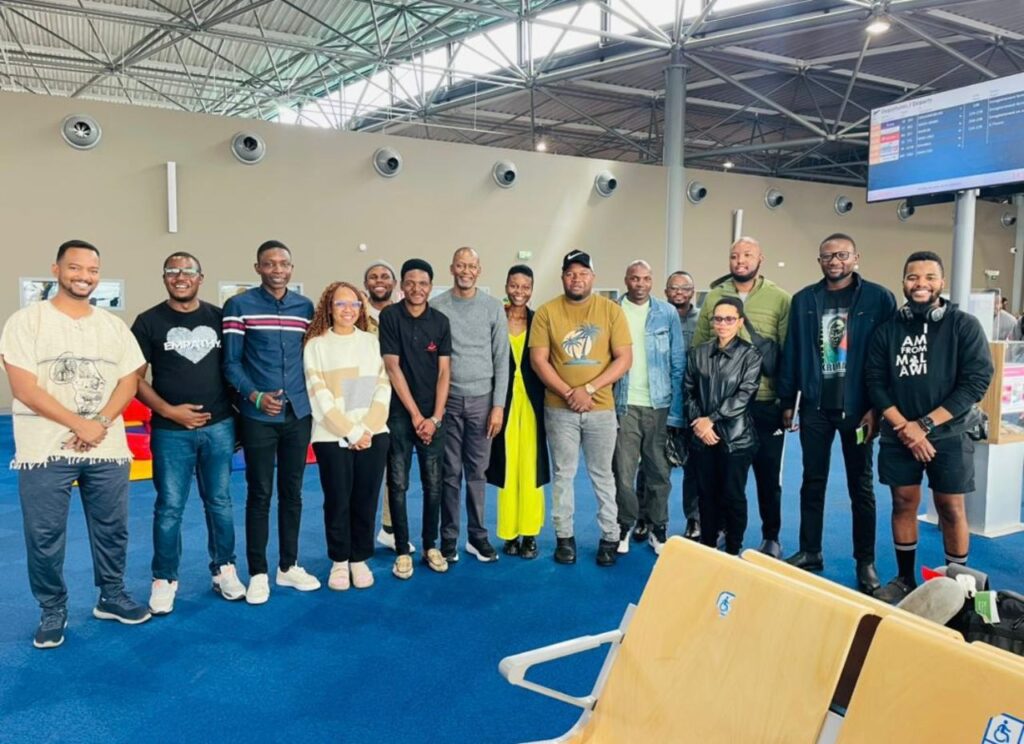
His Excellency, the Executive Secretary of SADC, Elias Magosi, (middle dressed in grey) joined delegates of the 7th Southern Africa Youth Forum in Madagascar
This platform reminded us that the natural resource governance struggle is locally rooted but globally connected. This connection reflects how big capital knows no boundaries or borders, as it is solely driven by the motive to exploit, earn surplus value, and above all, expand its capital base through parochial interests.
The voice of CNRG is vital in this broader struggle. By holding corporations and the state accountable, CNRG embodies the principle that people must come before profits. It necessitates policies and practices that safeguard communities, rehabilitate ecosystems, and guarantee that natural resources serve the majority rather than a select few.
As young Africans, we must amplify these challenges, link local realities to regional platforms such as SAYoF, and advocate for a just transition that does not compromise our environment for development. Only then can we dismantle the tragedy of capitalism and reclaim our resources for the people.