
By Staff Reporter
Southern Africa holds enough sunlight to power the continent, enough wind to electrify its cities, and enough geothermal and hydropower potential to fuel a green revolution. Yet more than 100 million people across the Southern African Development Community (SADC) still live without electricity, and over 150 million rely on traditional biomass, firewood, charcoal, and dung for cooking, at immense health and environmental cost.
It is a grim irony in a region rich in resources but poor in power.
This, according to a policy publication, Southern African Development Community: Cooperation for a Just Energy Transition, which paints a sobering picture of the energy crisis gripping the region, despite abundant natural resources and bold political promises.
The report outlines a stark contradiction: Southern Africa, blessed with vast solar, geothermal, and hydropower potential, continues to suffer from some of the world’s lowest electrification rates. Over 100 million people in SADC countries still live without electricity, while more than 150 million rely on traditional biomass for cooking, a practice linked to serious health and environmental risks.
Despite abundant renewable energy potential, coal continues to dominate the energy mix. Infrastructure remains underfunded, and efforts to build inclusive, climate-resilient energy systems are continually undercut by structural inequalities, fragmented policies, and an overreliance on private-sector financing models that fail to deliver either scale or equity.
As of 2020, just 48% of SADC’s population had access to electricity. In countries like Malawi and Tanzania, rural electrification hovers around a dismal 10%, even as urban areas exceed 80%. Meanwhile, an estimated 6,000-megawatt electricity shortfall plagues the region, alongside an energy infrastructure financing gap of $83 billion per year through 2027.
Yet many governments still channel 2–5% of their GDP into fossil fuel subsidies, resources that could otherwise be invested in clean energy and grid expansion.
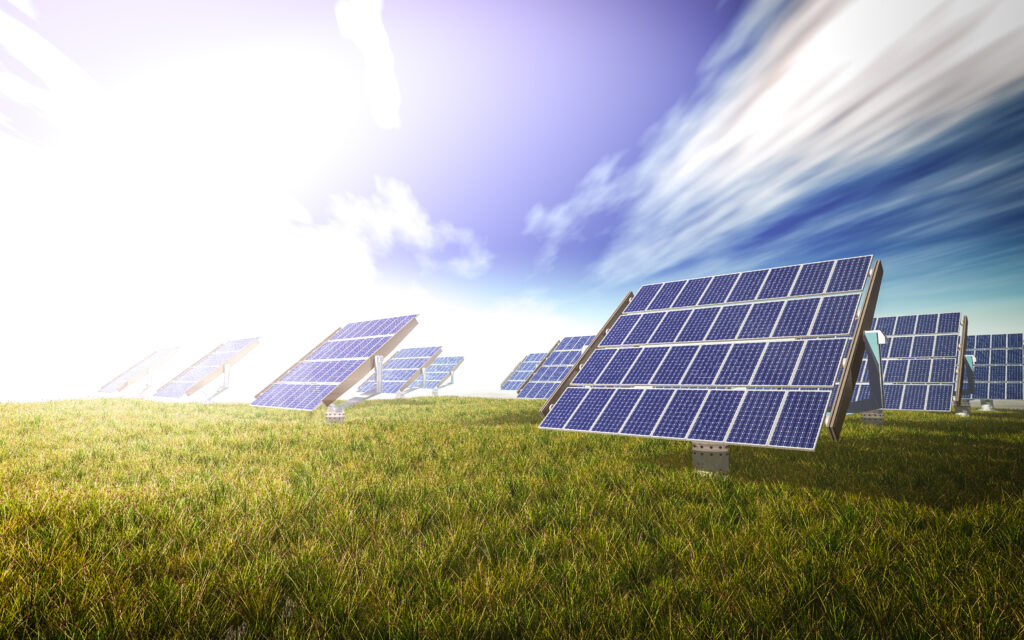
Coal accounts for up to 62% of electricity generation in the region, hydropower 24%, and other renewables trail behind, despite the region’s immense untapped potential. Solar radiation in Southern Africa exceeds 2,500 hours per year, enough to generate more than 20,000 terawatt-hours of solar power. Along the Rift Valley, geothermal energy could contribute at least 4,000 megawatts to the grid.
The numbers paint a clear picture: Southern Africa can transform. But the transition is being stymied by outdated policies, weak institutions, and a piecemeal approach to regional cooperation.
Countries like Zambia, Tanzania, and South Africa have made progress in crafting national critical mineral strategies that link mineral wealth with energy development and green industrialisation. But these efforts lack regional coherence. There are no harmonised frameworks, shared infrastructure plans, or integrated value chains to speak of.
This fragmentation weakens SADC’s collective bargaining power, reduces investment confidence, and increases the risk of a regional race to the bottom—where countries compete to undercut each other in search of foreign capital.
To unlock regional industrialisation and move beyond enclave economies, experts say SADC must align its efforts with the Africa Green Minerals Strategy and operationalise key instruments under the African Continental Free Trade Area (AfCFTA), including its investment and trade protocols.
Regional infrastructure must follow suit. Shared grid development, cross-border power corridors, and joint battery mineral value chains could dramatically enhance energy access and industrial capability—if the political will exists to make it happen.
Blended finance and private sector-led models have long been touted as the solution to Africa’s energy poverty. But in practice, these models have largely bypassed foundational infrastructure and underserved communities.
As financing flows towards high-return, urban-centric projects, rural and marginalised populations are left behind. The region’s grid remains patchy, industrial capacity underdeveloped, and decentralised energy systems underfunded.
What’s needed, experts argue, is a paradigm shift: public-led, mission-driven investment that prioritises energy access, industrial transformation, and climate resilience. In this model, private capital plays a complementary, not a dominant, role.
This would require bold, coordinated public planning, as well as new tools: a SADC Green Industrialisation Index to measure climate and development performance beyond GDP; a Just Transition Investment Code to ensure all cross-border projects respect labour, environmental, and community standards; and a Unified Geological Data and Investment Portal to improve regional resource governance and attract sustainable finance.
SADC’s energy and industrial ambitions are also constrained by outdated bilateral investment treaties (BITs) and fragmented free trade agreements (FTAs). These legacy agreements often shrink policy space and limit the ability of governments to regulate in the public interest—especially when faced with investor-state dispute claims.
A joint review of existing BITs and FTAs is urgently needed, alongside alignment with AfCFTA’s climate and development standards. Experts have proposed the creation of an SADC Trade and Investment Negotiators Working Group, which would help coordinate regional positions, reduce legal fragmentation, and prevent harmful regulatory competition among member states.
SADC’s development trajectory is frequently framed as a paradox: must energy precede development, or must development enable energy access? The answer lies in a third path, one that integrates both aims and reframes the transition around equity, public interest, and regional solidarity.
With the right institutions, strategies, and tools, SADC could become a global leader in climate-resilient development. But without bold intervention, it risks entrenching the very inequalities a just transition is meant to address.
The sun may shine on Southern Africa, but until energy is treated as a public right rather than a private commodity, the lights will stay off for millions.