
By Munashe Masiyiwa
The Environmental Management Agency (EMA) has urged communities in resource-rich areas to take a proactive role in safeguarding their environment through voluntary monitoring, as cases of illegal dumping and poor waste management continue to rise.
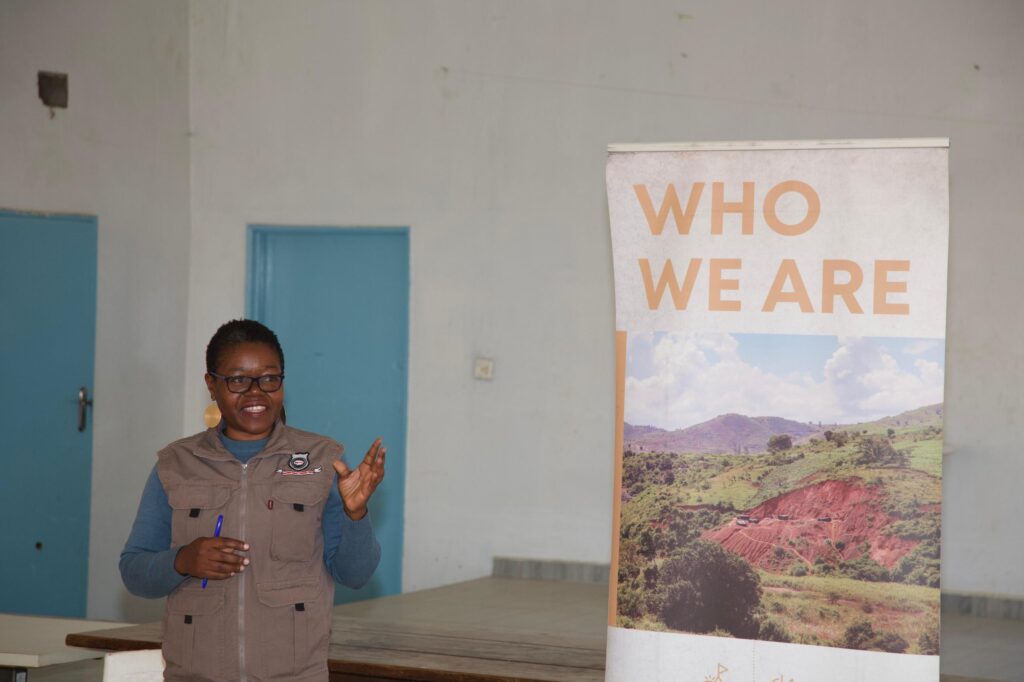
Speaking during a recent training session in Zvishavane, organized by the Centre for Natural Resource Governance (CNRG) in association with the Association of Women in Mining Associations of Africa (AWIMA), an EMA officer, Sally Maguvu, encouraged residents to adopt environmental stewardship. The call included adopting the “reduce, refuse, reuse, recycle” principle as a sustainable waste management strategy.
“The responsibility to regulate and enforce compliance falls on the shoulders of the agency; however, communities also have a duty to monitor. As EMA, we encourage people to do voluntary monitoring and adopt good waste management practices,” she said.
The training formed part of CNRG’s ongoing programme in Zvishavane, implemented in partnership with Heinrich Böll Stiftung (HBS) and the Zimbabwe Association of Women in Mining (ZAWIMA). The initiative promotes environmental justice, gender equity, and inclusive governance in the mining sector, focusing on amplifying the voices of those most affected by extractive activities.
Zvishavane, located in the Midlands Province, is facing mounting environmental degradation due to intensified chrome mining activities, particularly by foreign-owned enterprises. Communities, especially women and girls, are bearing the brunt of polluted water sources, degraded land, and exclusion from decision-making processes that directly affect their livelihoods and environment.
Through capacity-building workshops, CNRG has been engaging female artisanal miners, women from mining-affected communities, local leaders, traditional authorities, and regulatory agencies. These platforms are designed to deepen understanding of environmental rights, mining legislation, and gender justice, while fostering open dialogue between stakeholders.
During the session, EMA reinforced that voluntary environmental monitoring by communities can play a crucial role in holding mining companies and local authorities accountable. The agency stressed that community-driven oversight, coupled with responsible waste management practices, could help address the mounting environmental challenges in the region.
CNRG’s work in Zvishavane aims to:
- Encourage women to assert their economic and environmental rights;
- Promote transparent and sustainable mining practices;
- Build partnerships between national institutions, local government, and community organizations;
- Raise national awareness of the gendered impacts of mining through engagement with bodies such as the Zimbabwe Gender Commission.
By enhancing community agency and strengthening inclusive, accountable governance frameworks, CNRG and its partners hope to ensure that the needs and voices of those most affected by mining are at the centre of policy and practice.