
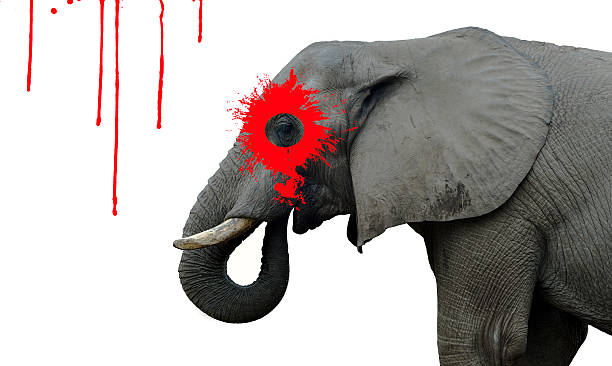
Researcher, Claris Rufaro Masiya presents a compelling paper advocating for an end to elephant culling, arguing that the practice is both ethically questionable and ecologically harmful. Masiya’s paper Rethinking Elephant Culling: Alternatives for Conservation highlights the long-term negative effects of culling on elephant populations and calls for a shift towards more humane and sustainable conservation strategies.
Culling, historically used as a population control measure, was widely implemented in Africa during the 1970s and 1980s to address habitat degradation and human-elephant conflict. However, the research points to mounting evidence that culling disrupts elephant social structures, causing significant stress and behavioral changes.
Studies show that elephants subjected to culling exhibit signs of post-traumatic stress disorder (PTSD) for decades, which affects their ability to function within their herds. The removal of matriarchs, in particular, weakens social cohesion and impairs the transmission of survival knowledge to younger generations.
Beyond the ecological consequences, Masiya raised serious ethical concerns. A comparison is made on the justification for culling to the rationalization of human casualties in wartime, arguing that conservationists have a moral duty to explore non-lethal alternatives. Emphasis is placed that any intervention must prioritize animal welfare and be conducted under strict ethical guidelines to minimize suffering.
Legal issues surrounding elephant culling were also addressed in the presentation, as it is noted that some culling methods are not only inhumane but may also violate existing wildlife protection laws. There are recommendations for stronger legislative frameworks that align conservation practices with ethical and legal standards, ensuring that wildlife management strategies are subject to rigorous oversight and ethical review processes.
Instead of culling, Masiya highlighted several successful alternatives that have been implemented in different parts of Africa. Community-based conservation programs in Kenya and Namibia have empowered local populations to manage elephant populations sustainably, reducing conflict through education and economic incentives. Wildlife corridors and habitat restoration projects have enabled elephants to migrate naturally, easing pressure on ecosystems.
Other innovative solutions, such as beehive fences in Tanzania, have proven effective in deterring elephants from farmland without harming them. A case in point is made of Botswana’s sustainable tourism model, where elephants contribute to local economies, reducing the incentive for culling. Additionally, translocation and contraception have emerged as viable methods for managing elephant populations without resorting to lethal measures.
In conclusion, Masiya urged conservationists, policymakers, and local communities to adopt the One Welfare approach, which integrates animal welfare, human well-being, and environmental health.
“The future of elephant conservation depends on ethical, science-driven solutions that foster coexistence between humans and elephants while preserving the delicate balance of ecosystems.”
Her research reinforces a growing consensus in the conservation community: elephant culling is not the answer. Instead, innovative, humane strategies must be prioritized to ensure a sustainable future for both elephants and the communities that share their habitats.