
By Staff Reporter
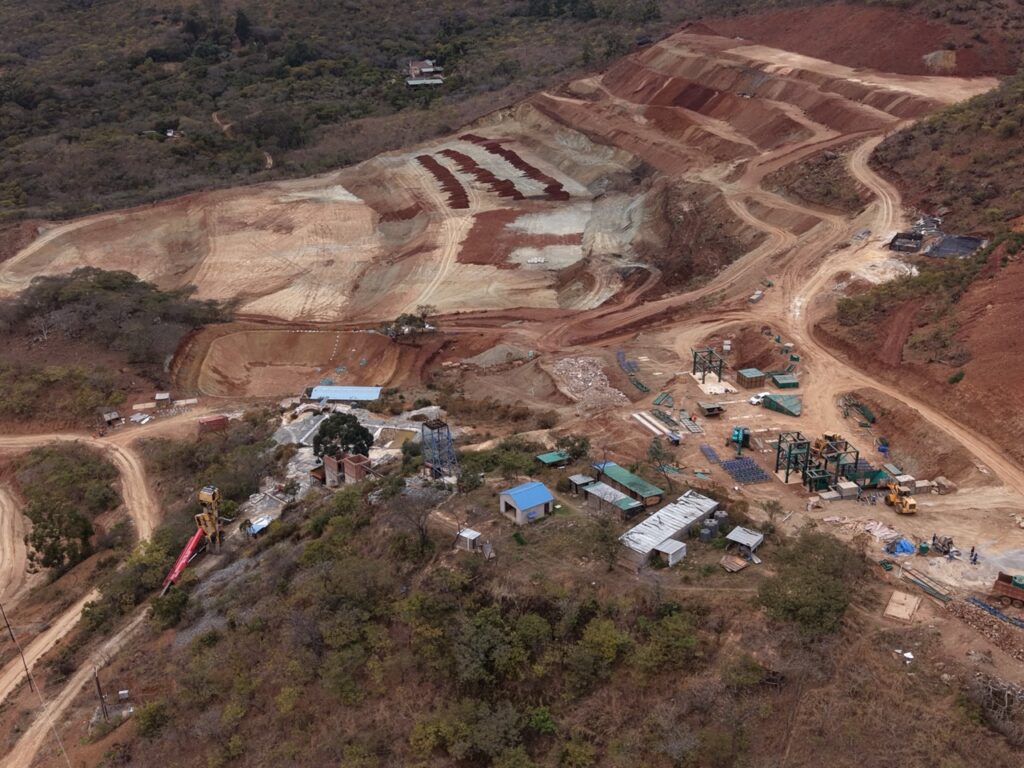
There is growing concern over continued mining activities at Toronto Mines Pvt Ltd in Mutare, despite a government directive ordering the immediate cessation of mining and related operations at the site.
A cease-and-desist order issued by the Ministry of Mines and Mining Development on 9 August 2026 directed the company to immediately stop all mining, processing and allied activities following a high-level inspection of the mine on 8 August. The order cited unapproved mining activities and the unlawful erection of an elution boiler without the requisite approvals, safety inspections and formal commissioning.
The directive further ordered the immediate decommissioning of the unapproved elution boiler and the removal and demobilisation of all mobile equipment, plant and machinery from the site within 14 calendar days, with the deadline set for 22 August 2026.
However, a recent site visit has established that while there has been partial compliance with the government order, some mining-related activities appear to be continuing clandestinely, reportedly taking place under the cover of darkness in the middle of the night.
The discovery raises serious questions about the effectiveness of the enforcement measures and whether the cessation order is being adequately monitored.
Partial compliance, but operations persist
The removal or cessation of some equipment and activities indicates that the company has taken steps towards complying with the government directive. However, compliance cannot be considered complete while mining or processing activities continue outside the hours and conditions under which authorities can effectively monitor them.
The reported night-time operations are particularly concerning because they make it difficult for regulators, surrounding communities and other stakeholders to independently verify whether the cease-and-desist order is being fully observed.
The situation also highlights a broader challenge in Zimbabwe’s mining sector, where regulatory orders can lose their effectiveness when enforcement is inconsistent or insufficiently resourced.
A government directive to stop operations must mean precisely that: all operations must stop. Partial compliance cannot be allowed to become a means through which prohibited activities simply move underground or into the night.
Safety concerns cannot be ignored
The government’s original intervention was prompted, among other concerns, by the discovery of an unapproved elution boiler at the mine. According to the order, the equipment had been erected without the required design approvals, safety inspections or formal commissioning by the relevant inspectorate.
The government specifically warned that operating an unapproved pressure vessel presents serious occupational and public safety risks.
These concerns make continued clandestine operations even more troubling. Mining and mineral-processing activities involve significant risks to workers and surrounding communities, particularly where equipment has not undergone the required inspections and where operations are being conducted outside the oversight of regulatory authorities.
Government therefore has a responsibility not only to issue enforcement orders but also to ensure that such orders are actually implemented.
Government must enforce its own order
The Ministry of Mines and Mining Development and other relevant authorities should urgently follow up on the reported continued operations and establish the full extent of compliance with the cease-and-desist order.
Where violations are established, the government should take appropriate enforcement action in accordance with the law. This should include ensuring that all prohibited equipment is decommissioned and that mining and processing activities do not resume without the necessary approvals and safety requirements.
Effective enforcement is particularly important because allowing a mine to operate clandestinely after receiving a government closure order undermines the authority of the regulatory system and creates a dangerous precedent for other mining operations.
The enforcement process should also involve the Environmental Management Agency (EMA), the Zimbabwe Republic Police and relevant mining authorities to ensure that both environmental and public safety concerns are comprehensively addressed.
Closure must include an evacuation and rehabilitation plan
Beyond simply stopping operations, the government should require a clear mine closure, evacuation and rehabilitation plan for the site.
Any enforcement action should establish how workers and other people who may be exposed to hazards at the site will be safely evacuated or removed from areas presenting risks. This is particularly important where mining infrastructure, processing equipment, waste facilities, open workings or other hazardous structures remain on site.
The closure of a mine should not simply mean locking the gates and walking away.
There must be a clearly defined process for securing dangerous infrastructure, stabilising disturbed land, managing mine waste, preventing contamination of water sources and restoring the environment to a safe and stable condition.
Most importantly, the cost of rehabilitation should be borne by the mining company responsible for the environmental disturbance, rather than transferred to taxpayers or surrounding communities.The principle is straightforward: those who profit from extracting natural resources must also carry the responsibility and cost of addressing the damage caused by their operations.
Rehabilitation cannot be an afterthought
Mining leaves a physical footprint that can persist long after production has stopped. Excavations, waste dumps, tailings, contaminated soils, damaged vegetation and altered drainage systems can pose risks to communities and ecosystems for years if they are not properly rehabilitated.
Government should therefore ensure that rehabilitation obligations are clearly identified, costed and enforced before the company is allowed to undertake any further mining activities.Authorities should also establish mechanisms for monitoring rehabilitation and ensuring that the company does not simply abandon the site once profitable operations cease.
The situation at Christmas Pass provides an opportunity for government to demonstrate that regulatory orders are not merely administrative documents but instruments capable of protecting workers, communities and the environment.
The Cease-and-Desist order must be enforced in full. Partial compliance and clandestine night-time operations should not be allowed to undermine the government’s intervention. At the same time, closure must be accompanied by a credible evacuation, environmental management and rehabilitation programme, with the financial burden placed squarely on the mining company responsible.
The protection of people and the environment cannot depend on whether mining activities take place in broad daylight or under the cover of darkness.