
Rivers are usually the great equalisers of cities. They carry water from one place to another, binding communities together and sustaining farms, livestock and ecosystems along their course. In Mutare, the Sakubva River has acquired a less flattering role: it has become a moving record of the city’s infrastructure failures.
By Donald Nyarota
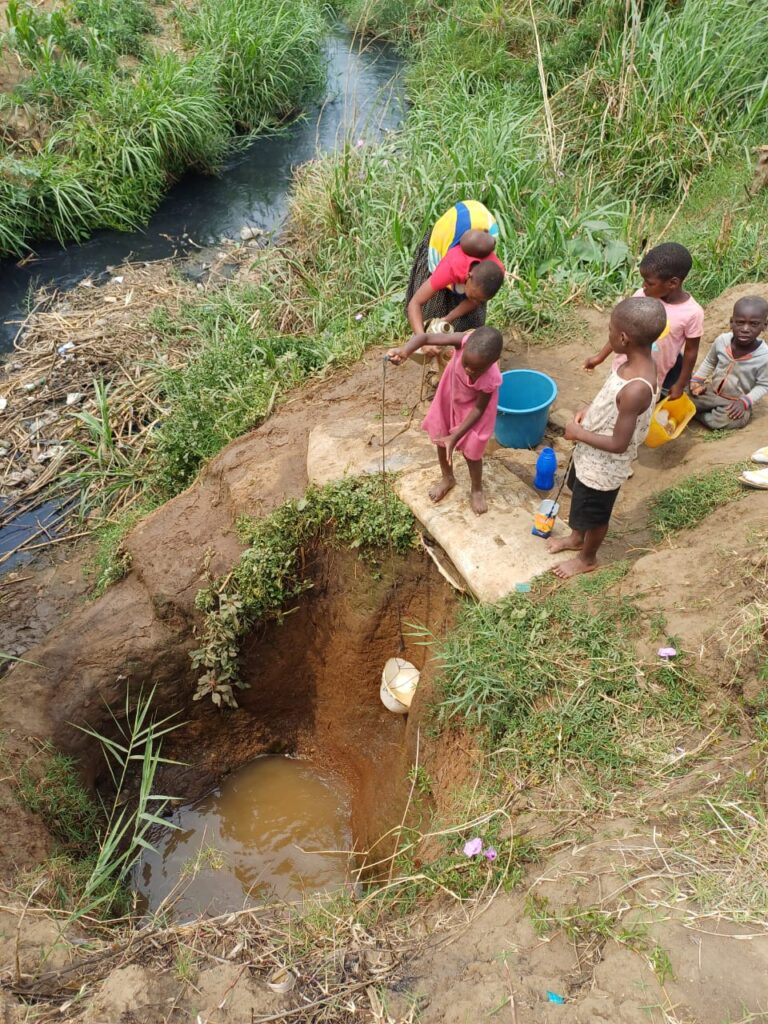
A fresh complaint lodged on August 27 with the Minister of State for Manicaland, local Members of Parliament, the Environmental Management Agency (EMA) and the City of Mutare alleges that the Sakubva River, about 30km downstream from the city centre, is receiving continuous discharges of raw sewage and untreated industrial waste. Communities along the river are reportedly using the water for washing clothes and dishes, while livestock and other animals drink from it.
If verified, this is more than an environmental nuisance. It is a public-health and governance failure.
The particularly troubling fact is that there is little new about the complaint. The pollution of Mutare’s rivers was publicly exposed in 1998. A study by Jemitias Mapira, drawing on investigations conducted after that outcry, documented sewage overflows, industrial effluent, broken treatment equipment and other sources of pollution in the Sakubva River basin.
Twenty-eight years later, many of the same problems remain.
That longevity changes the nature of the problem. This is no longer simply a question of discovering who is polluting the river. It is a question of why successive authorities have failed to stop it.
Following the 1998 public outcry, the City of Mutare inspected streams within the Sakubva River basin and collected water samples. The investigation identified municipal sewage works, including Gimboki, as major sources of pollution. The treatment plant was reported to be operating above its design capacity of 23.5 million litres a day, while broken aerators, trunk-sewer blockages and delayed repairs allowed sewage spills to continue.
The city’s growth has only intensified the pressure. Infrastructure designed for a much smaller population cannot indefinitely serve a substantially larger urban population without significant investment. When treatment capacity fails to keep pace with population growth, pollution is not an accident. It becomes the predictable consequence of underinvestment.
Industrial activity adds another layer. Historical investigations identified effluent from paper manufacturing, timber processing, food-processing plants and breweries as contributors to pollution in the river system. Used oils, grease, fuel, scrap metal and other waste from workshops and garages were also identified.
Some of those industrial actors and circumstances may have changed since 1998.
The underlying governance question has not: Who is monitoring what enters the river, who is paying for it, and who is being held responsible when the system fails?
One issue deserves particular scrutiny: trade-waste fees. Businesses discharging industrial effluent into the municipal sewerage system are expected to pay applicable charges and comply with requirements governing the treatment and disposal of waste. But if the sewerage system itself is failing, citizens are entitled to ask where the money is going.
How much was billed in trade-waste fees in 2025? How much was collected? How much was spent on sewerage maintenance and upgrades? And what improvements can residents actually see?
The answer cannot be to allow companies to discharge untreated waste into rivers simply because municipal infrastructure is dysfunctional. Nor can industries evade their environmental responsibilities. The solution requires accountability on all sides: businesses must comply with environmental standards, the municipality must maintain the infrastructure for which it charges users, and regulators must enforce the law.
The Gimboki sewage treatment plant cannot carry an entire city indefinitely. Power cuts, ageing infrastructure, mechanical failures and inadequate capacity create a vicious cycle in which untreated sewage eventually finds its way into the river. The costs are then transferred from municipal accounts to communities through polluted water, degraded ecosystems, threats to livestock and potential public-health emergencies.
After 28 years, the Sakubva crisis should no longer be treated as a recurring complaint. EMA should urgently test the river, identify the pollutants and trace them to their sources. Government must enforce against polluters, while the City of Mutare and central government address the infrastructure deficit.
Where pollution is caused by identifiable industrial actors, the polluter-pays principle should apply, including responsibility for rehabilitation. Where failing public infrastructure is responsible, government must finance its repair.
Most importantly, authorities should publish a time-bound Sakubva River rehabilitation plan, with clear responsibilities, budgets and public reporting.
Mutare has known for 28 years that its river is sick. The real scandal is not that the problem has returned. It is that, after 28 years, there is still a debate about what needs to be done.