
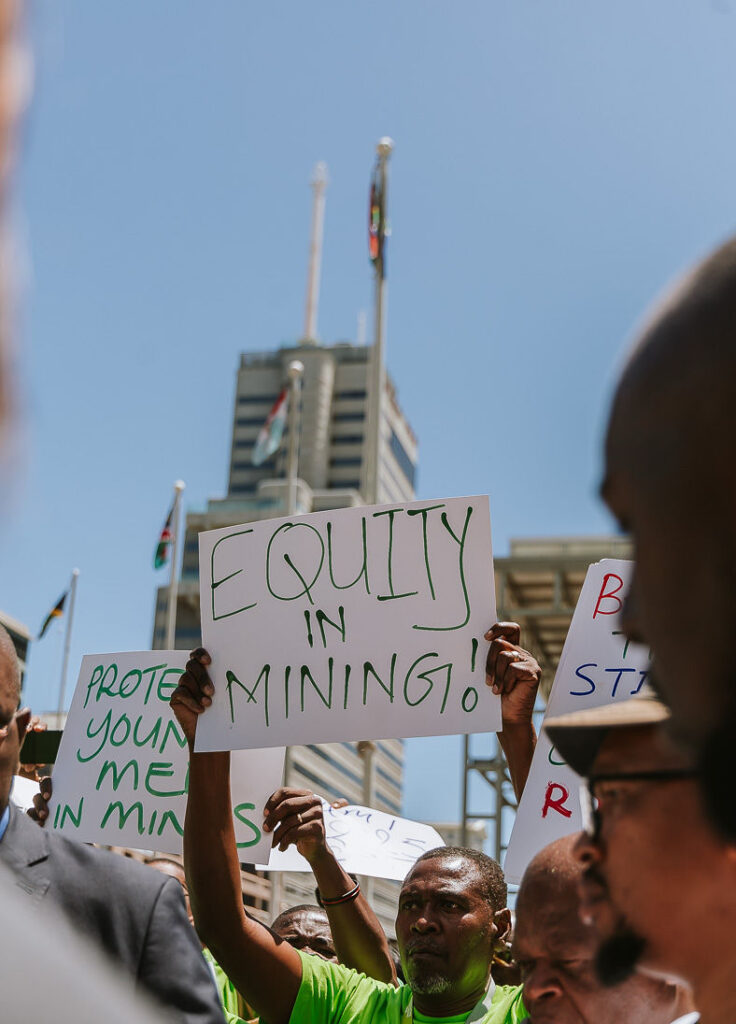
By Staff Reporter
Comrades, in the prosecution of the struggle for natural resource governance, freedom, economic independence, and prosperity, the African people should be able to answer the question: “Who are the enemies of the people?”
Africa’s struggles have been fragmented largely because of the failure to clearly distinguish between enemies of the people and the allies we claim to support. Liberation movements often spread the idea that anyone questioning their hold on power is a Western puppet. Citizens have been conditioned to despise these so-called “sellouts” without objectively examining their character, ideology, or the legitimacy of their positions. Instead of ideas, politics in Africa has become driven by hate.
Politics today has become a corrupt business and a marketplace for the enrichment of elites. The state, instead of being an instrument to deliver freedom, has become a vehicle for primitive capital accumulation. Through its coercive arms, the state brutalises those who resist corruption. In the process, those in the corridors of power have become parasitic bourgeoisie, looting with reckless appetite, while investing their ill-gotten wealth abroad to safeguard it against the day they lose power.
Regardless of ideology or party affiliation, those who preside over the affairs of government yet use the state to enrich themselves and their families are the first enemies of the people. The state ought to be a platform to address the innermost aspirations of our people: to change their material conditions, to close the gap between rich and poor, and, in Marx’s conception, to resolve the class struggle in favour of the masses by ensuring ownership of the means of production, distribution, and exchange.
In our context, these enemies are not abstract. They are the Gold Mafias in Zimbabwe, the Phala Phalas and state capture apologists in South Africa, the corrupt elites in Namibia and Uganda, and many others across the continent who have turned natural resource wealth into a curse rather than a blessing. Instead of stewarding our minerals, forests, and land for the benefit of citizens, they mortgage them to foreign powers and multinational corporations. What should be national wealth is captured by cartels, where corruption, patronage, and militarisation shield looters from accountability.
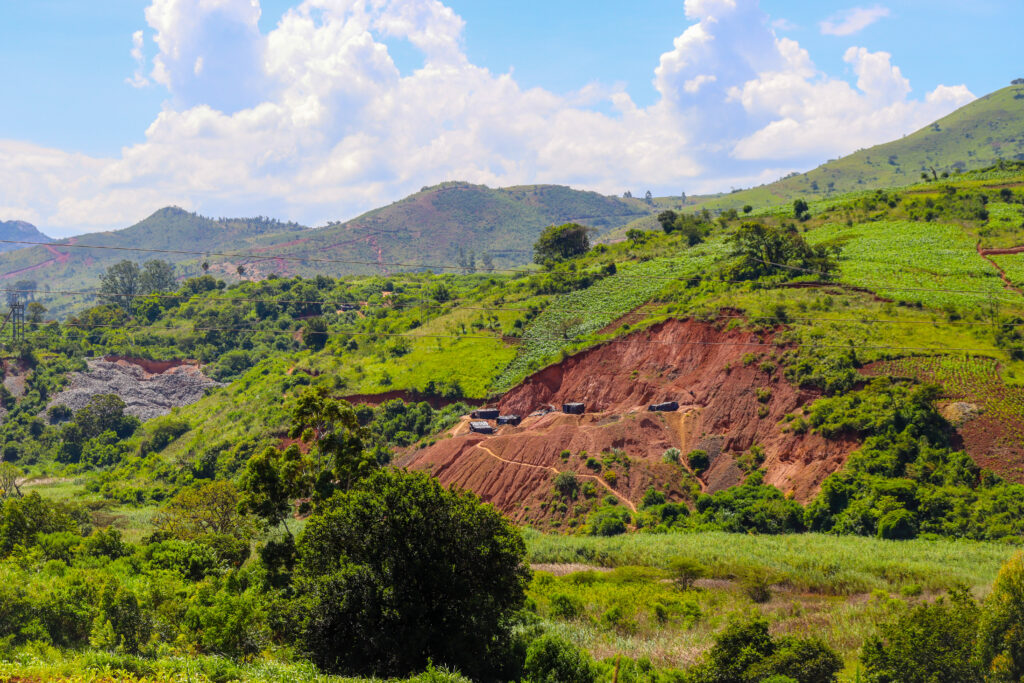
Impacts of unregulated gold mining in Penhalonga, Manicaland
This is the essence of the natural resource governance crisis in Africa: resources that belong to the people are plundered for the benefit of the few. Communities living on mineral-rich lands remain in abject poverty, poisoned by polluted rivers, displaced by mining concessions, and denied even the most basic services. The tragedy of capitalism in Africa is that while gold, diamonds, oil, lithium, and rare earths leave our soils, the majority of our people live without food security, healthcare, decent housing, or education.
Comrades, the people we are fighting for are clear. They are the youth, denied opportunities and pushed into drug abuse. They are the teachers, nurses, and civil servants whose work does not translate into dignified livelihoods. They are the peasants in rural areas who still live without electricity, modern infrastructure, or access to education, yet whose land continues to be exploited. These are our people.
And yet, there are also those trapped in the machinery of the oppressive system, reactionary forces whose poverty has been weaponised. They defend corruption because they benefit from its crumbs. They brutalise fellow citizens to protect those in power. They are prisoners of dictatorship, chained by hunger and the politics of patronage. But even though they are our people, they need to be rescued, for a prisoner cannot set himself free.
Comrades, our task as progressive forces is to fight with clarity. Let us not reproduce what we seek to dismantle. Let us not replace one corrupt regime with another, but instead uproot the system of looting and coercion and build a society where our resources are governed justly, transparently, and for the collective good.
Our vision must be bold, but our strategies must also be practical: demand accountability in the extractive industries, strengthen community voices in decision-making, and ensure that natural resources finance education, health, housing, and food security for all.
If we remain steadfast, Africa’s natural wealth will cease to be the curse of the people and instead become the foundation of true freedom.