
By Staff Reporter
Zimbabwe has declared its ambition to become a global leader in the sustainable development of critical minerals, positioning itself at the heart of the energy transition, as global demand for renewable energy technologies accelerates. This was the rallying cry at the Critical Minerals Conference held in Harare this week, where government officials, civic society, and energy experts gathered to explore the country’s strategic role in the future of clean energy.
Addressing delegates, Isaac Chiridza, Deputy Director of the Conservation and Renewable Energy Department, highlighted the increasing importance of minerals such as lithium, cobalt, and rare earths—key ingredients in solar panels, wind turbines, and battery storage technologies. “Zimbabwe has the potential to lead the charge towards a low-carbon future by leveraging its rich mineral reserves and investing in innovation and local capacity,” he said.
Palaph Maridzi of the Minerals Marketing Corporation of Zimbabwe (MMCZ) echoed this sentiment, noting that the demand for lithium is expected to surge in the coming years.
“Electric vehicles (EVs), renewable energy storage systems, and rapid technological advancement are fuelling unprecedented demand for lithium-ion batteries,” said Maridzi. “Zimbabwe must strategically position itself not only as a supplier of raw materials but also as a serious player in global clean energy value chains.”
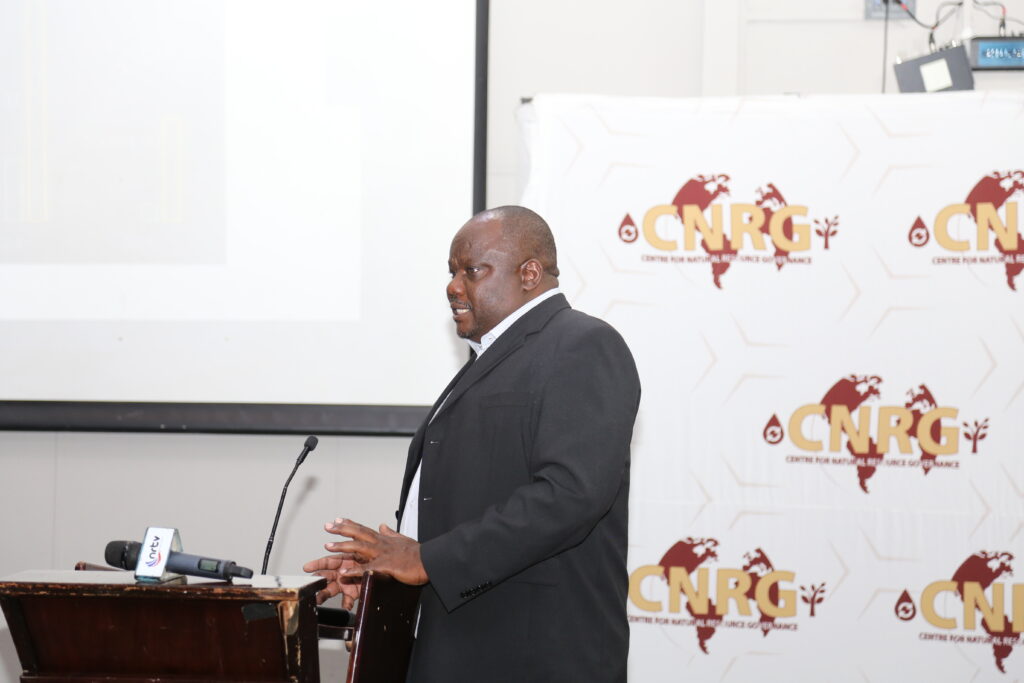
Mr Palaph Maridzi of the Minerals Marketing Corporation of Zimbabwe delivers a presentation at the Critical Minerals Conference
To strengthen its global position, Maridzi emphasized the need for Zimbabwe to diversify its investment sources. “We are actively seeking investors from the European Union, the United States, Japan, African partners, and emerging economies like India. This diversification will reduce reliance on a single foreign power and enhance Zimbabwe’s global bargaining capacity,” he said.
In addition, Maridzi called for more favourable trade agreements for processed lithium exports. “By negotiating directly with global EV manufacturers, Zimbabwe can secure higher-value markets for its refined products, ensuring long-term economic gains and avoiding the resource curse,” he added.
The Centre for Natural Resource Governance (CNRG) hosted this conference under the Tackling Climate Change and Energy Transition (TaCCET) coalition, coinciding with growing global efforts to secure critical minerals essential for achieving climate goals and ensuring energy security.
The meeting focused on Zimbabwe’s mineral resources, particularly lithium, and their importance for economic development through value addition and manufacturing. Discussions covered energy access and transition, geopolitical implications of critical minerals, and global supply chain trends, emphasizing the need for strategic partnerships, policy reforms, and responsible sourcing practices.
“So, we’re calling for a dialogue that includes civil society, government, benefits-sharing, and diplomatic communities, as we need strategic partnerships with countries that have the capacity to consume what we produce, instead of buying from third-party sources, particularly in China. We’re looking at selling to Europe and the United States of America. We’re locating our national interest. Where does Zimbabwe stand in the world on this issue?” said Maguwu.
Interestingly, the MMCZ’s call to diversify lithium investments and marketing resonates with a CNRG research finding, which highlighted the monopolistic grip of Chinese interests in Zimbabwe’s mining sector.
In fact, Chinese companies now dominate the sector, and the report titled “Investment or Plunder: An assessment of the impacts of Chinese investments in Zimbabwe’s extractive sector” reveals a disturbing track record of environmental damage, cultural rights abuses, and labor law violations.
A call for bold, transformative policies
Policymakers at the conference discussed a series of bold proposals to attract investment and manage technological disruption, including renewable energy targets, feed-in tariffs, regulatory sandboxes for innovation, and carbon pricing mechanisms.
In a hard-hitting intervention, politician Temba Mliswa former chairman of the Parliamentary Portfolio Committee on Mines spoke to the challenges of enforcing oversight in a politicized environment.
“Don’t expect effective oversight when political parties restrict legislators’ independence. The constitution allows recalls for dissent, prioritizing party interests over public accountability.”
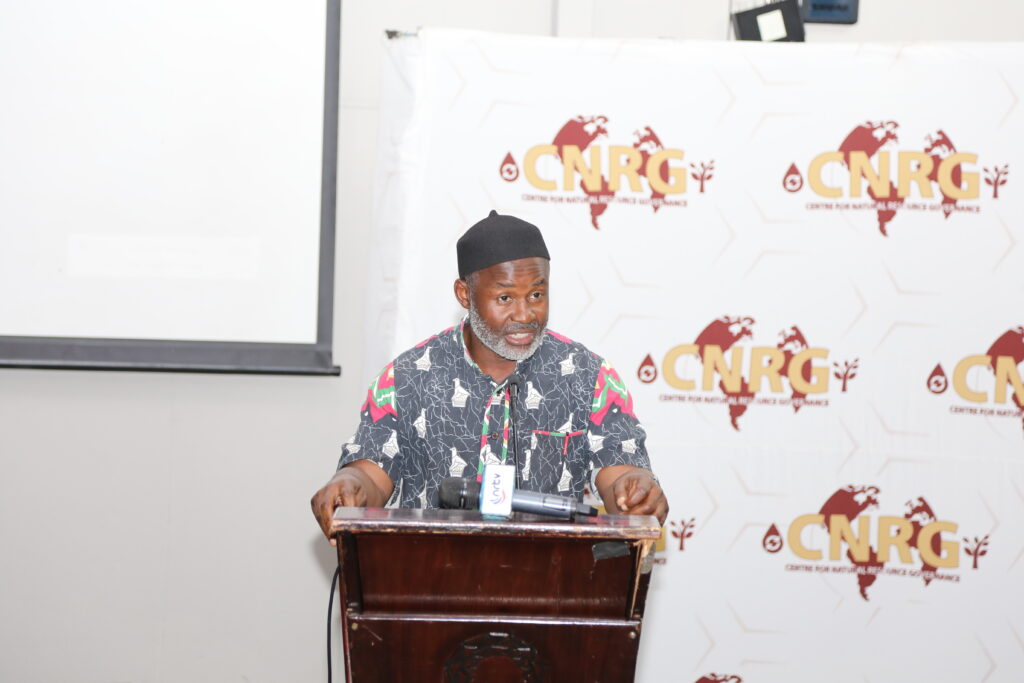
Temba Mliswa addresses delegates at the Critical Minerals Conference in Harare
Meanwhile, technocrats like Chiridza noted that the global shift to renewables continues unabated, driven not only by climate imperatives but also by geopolitical realities and rapidly falling technology costs.
There was also a strong emphasis on energy justice, data security, and the decentralization of energy systems—ensuring that communities benefit from and participate in the mineral-driven energy transition.
In a bid to build resilience and avoid the pitfalls of extractive booms seen elsewhere on the continent, the conference advocated for stronger government-industry-academia partnerships and robust training programs for local communities. “We must ensure our transition is not only green, but just,” said Chiridza, underscoring the need for inclusive development.
He called for collaboration between government, industry, and academia to drive innovation and research in the critical minerals sector, as key to ensuring that Zimbabwe stays competitive and sustainable.
As global competition for lithium and other strategic minerals intensifies, there is need to be staking a claim to more than just resource extraction—but to influence the global clean energy agenda.
CNRG collaborates with civic society groups through the TaCCET-ZIM movement to drive climate justice and advocate for a just energy transition in Zimbabwe. TaCCET-ZIM, a network of organizations and individuals, focuses on addressing the unequal impact of climate change on vulnerable communities and promoting equitable resource governance.
Other civic society organisations that were represented include the Zimbabwe Environmental Law Association (ZELA) Zimbabwe Coalition on Debt and Development (ZIMCODD) Good Governance Africa, Oxfam, Zimbabwe Council of Churches.
Labour was also represented by the Zimbabwe Congress of Trades Union (ZCTU) Zimbabwe Diamond and Allied Minerals Workers Union (ZDMWU), which emphasized the importance of decent work and social responsibility in the mining sector.
Presenting on labour rights, ZCTU’s Vimbai Zinyama highlighted the International Labour Organization’s four pillars: rights at work, employment creation, social protection, and social development.
She noted that companies are still falling short on Environmental, Social, and Governance (ESG) reporting and called for improved labour market data and a unified framework for trade agreements.