

Climate change exacerbates existing vulnerabilities and creates new challenges for human security in various ways which demand a rethink in how states structure their security apparatus and personnel.
In the context of climate change-induced hazards and vagaries, security implications represent the physical, economic, and social impacts that substantially alter political stability, human security, and national security.
In making this argument, Dr (Brigadier General) Lucky Bangidza, an academic and a serving member of the Zimbabwe National Army (ZNA) opinions that this existential threat to humanity, lifestyles, and economic interests of nation-states has become a contemporary security concern.
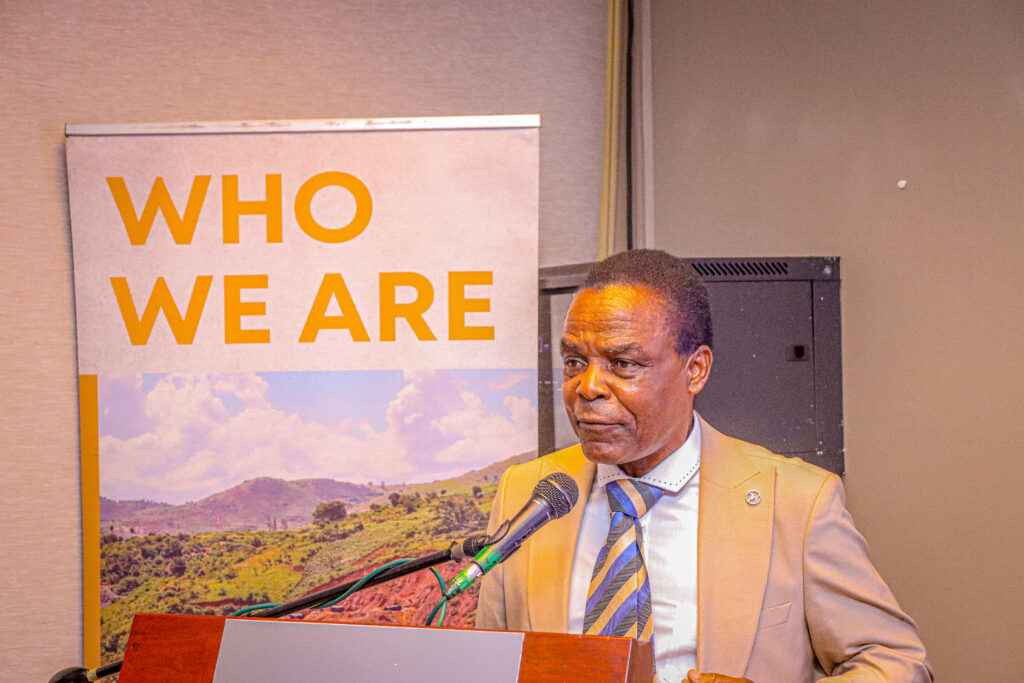
Dr Bangidza presentation at a Centre for Natural Resource Governance (CNRG) conference convened under the Tackling Climate Change and Energy Transitions Project in Zimbabwe (TaCCET-Zim) raises critical questions on the need to rethink security in the face of climate change.
He contends that nontraditional security issues challenge the survival and well-being of people and states from nonmilitary sources such as natural disasters, resource scarcity, food shortages, and general socioeconomic instability.
“Whilst traditional security revolves around military or state apparatus preparedness to defend a country against external threats, in a realist construct of security where referent object is the state.
“Climate change impacts represent a diametric shift in the securitization of territorial or jurisdictional sovereignty from human threat to ubiquitous phenomena that also threaten the core of the state, its people, and various interests.
Dimensions of climate change vulnerabilities that call for a rethink of strategic interventions according to Dr Bangidza, are widespread ranging from economic, social stability, to health, water, and food security.
“Securitization of climate change seeks to explain the politics through which: the security character of public problems is established, the social commitments resulting from the collective acceptance that a phenomenon is a threat are fixed, and the possibility of a particular policy is created.
“There are wide ranging impacts of climate change all which expose nations to various security risks and these need to be looked at critically reflecting on the need to play complimentary roles from a security perspective.”
Climate change in general represents the increase in the frequency and intensity of extreme weather events, such as hurricanes, floods, and heat waves, which pose direct risks to human health, including injuries, diseases, and mental health impacts.
Changes in precipitation patterns, melting glaciers, and sea-level rise can lead to water scarcity, affecting communities’ access to clean water for drinking, sanitation, and agriculture have adverse effects on human security.
Dr Bangidza states that economic disruptions to livelihoods and infrastructure from climate-related disasters undermine economic stability and exacerbate poverty, particularly in vulnerable communities that lack resources to adapt or recover.
Social instability arises from climate-induced displacement and migration, resource competition, and environmental degradation amplifying tensions and contributing to conflict, displacement, and insecurity within and between communities and nations.
He states, “Food insecurity resulting from climate change affects agricultural productivity, leading to crop failures, food shortages, and price increases, which can destabilize regions and contribute to conflict and migration.
“When this happens it is affecting the core of national security, the human aspect that we guard under the traditional sense of protecting territorial integrity becomes vulnerable and insecure in the face of climate change.”
A collaborative and coordinated approach to climate change response is critical to integrate the national security apparatus in disaster risk reduction or management, as military and security personnel are often first responders in times of natural hazards like cyclones.
For Zimbabwe, a case in point is Cyclone Idai, which struck the eastern parts of the country, where soldiers from the Zimbabwe National Army were deployed to provide immediate relief for affected communities.
Amid hazards and risks to life, the brave security personnel took head on the perilous task of immediate rescue and response, assisting marooned villagers and a community stuck in a devastating natural hazard.
Solutions for the nation-state particularly in vulnerable Global South economies call for climatization of security which is the mainstreaming of climate change in security policies, strategies, and practices.
Strategic capacity building, training, and financing of the military or security apparatus of states by incorporating climate change considerations into defence planning processes, are key enablers according to Dr Bangidza.
Governments need to officially recognize climate change as a significant threat to national and global security and this recognition can come through policy declarations, national security assessments, and strategic documents.
“We need to reach a national consensus on how to deal with this real threat to people, which is at the core of the national security objective. This calls for strengthening strategies, and responses to climate change Risks,” says Dr Bangidza.
“The security sector is responding to climate change and will continue to do so in the future because addressing climate change is one of the most serious crises of our time.”
He states that mainstreaming climate change into security policies, strategies, and practices is crucial given the increasing impacts of climate change on global security and this can be achieved by integrating climate considerations into defence planning.
“This involves assessing the vulnerabilities of critical infrastructure, military bases, and supply chains to climate-related risks such as extreme weather events. By taking these steps, we can effectively mainstream climate change into their security policies, strategies, and practices, thereby strengthening their resilience to climate-related security risks,” says Dr Bangidza.
CNRG advocates for strategies that build climate resilience and enhance human security through developing response plans for climate-related disasters and ensuring continuity of security operations in the face of climate disruptions.
Climate security efforts calls for diverse perspectives and climate-related conflict prevention, humanitarian assistance, and disaster response, according to CNRG executive director Farai Maguwu.
“There is a need to incorporate climate-related intelligence gathering and analysis into national security frameworks. This involves monitoring climate-related trends, assessing their potential security implications, and providing decision-makers with timely and accurate information.
“As civil society our work is complimentary to government and we are open to collaborating with all stakeholders, which is why we are engaging the security sector in our diversified climate action strategy.
“We need to ensure coordination and integration of climate change considerations across relevant government agencies, including defence, foreign affairs, environment, and development. This helps avoid policy silos and ensures a coherent approach to addressing climate-related security risks.”