
By Tendai Ruben Mbofana
The decision by former U.S. President Donald Trump to withdraw the United States from the Paris Climate Agreement initially in 2017, and now at the start of his second term, sent shockwaves across the global community.
While the move was framed as a bid to prioritize American economic interests, its repercussions have been felt far beyond U.S. borders, particularly in vulnerable nations like Zimbabwe.
As a country already grappling with the devastating effects of climate change, Zimbabwe faces heightened challenges in mitigating environmental degradation and securing funding for climate action.
This withdrawal has also placed additional pressure on NGOs working in the country, who now must navigate a more uncertain funding landscape.
However, amidst these challenges, there are opportunities for the Zimbabwean government and NGOs to innovate and collaborate to mitigate the effects of climate change.
Zimbabwe, like many African nations, is disproportionately affected by climate change despite contributing minimally to global greenhouse gas emissions. The country has experienced prolonged droughts, erratic rainfall, and extreme weather events, which have severely impacted agriculture, water resources, and livelihoods.
The Paris Agreement was a beacon of hope, promising financial and technical support to help developing nations adapt to and mitigate climate change. The U.S. withdrawal from the agreement has weakened this global commitment, reduced the pool of available funding and undermining international cooperation. For Zimbabwe, the withdrawal has meant diminished access to critical climate finance.
The Green Climate Fund (GCF), a key mechanism under the Paris Agreement, has faced reduced contributions from the U.S., one of its largest donors.
This has directly impacted Zimbabwe’s ability to implement climate resilience projects, such as sustainable agriculture, renewable energy initiatives, and water conservation programs.
Additionally, the symbolic message sent by the U.S. withdrawal has emboldened other nations to deprioritize climate action, further isolating vulnerable countries like Zimbabwe.
Non-governmental organizations (NGOs) working on climate change in Zimbabwe have also felt the pinch. Many of these organizations rely on international funding, particularly from developed nations, to implement projects that address climate adaptation and mitigation.
With the U.S. stepping back from its climate commitments, NGOs have faced increased competition for dwindling resources. This has forced many to scale back their operations or seek alternative funding sources, often at the expense of long-term sustainability.
Moreover, the U.S. withdrawal has created a vacuum in global climate leadership, leaving NGOs with fewer allies in advocating for urgent climate action. This has made it more challenging to hold governments and corporations accountable for their environmental impact, both locally and globally.
While the U.S. withdrawal from the Paris Agreement presents significant challenges, it also underscores the need for Zimbabwe and its partners to adopt innovative and collaborative approaches to climate change.
The Zimbabwean government and NGOs must look beyond traditional funding streams and explore alternative sources of finance.
This could include partnerships with private sector actors, crowdfunding campaigns, and collaborations with regional bodies like the African Development Bank (AfDB).
Additionally, leveraging diaspora remittances and exploring climate bonds could provide much-needed resources for climate projects.
Zimbabwe should work closely with other African nations to amplify its voice on the global stage. Regional initiatives, such as the African Union’s Agenda 2063 and the Southern African Development Community (SADC) climate action plans, can provide a platform for collective action and resource mobilization.
By presenting a united front, African nations can advocate for increased climate finance and technical support from the international community.
Investing in local expertise and community-led solutions is crucial for building resilience.
The government and NGOs should prioritize training programs that equip communities with the skills needed to implement sustainable practices, such as conservation agriculture, renewable energy installation, and water harvesting.
Empowering local stakeholders ensures that climate solutions are context-specific and sustainable.
Technology can play a pivotal role in addressing climate challenges.
Zimbabwe should explore the use of digital tools, such as satellite imagery and data analytics, to monitor environmental changes and inform decision-making.
Additionally, promoting innovations like solar-powered irrigation systems and climate-smart agriculture can help communities adapt to changing conditions.
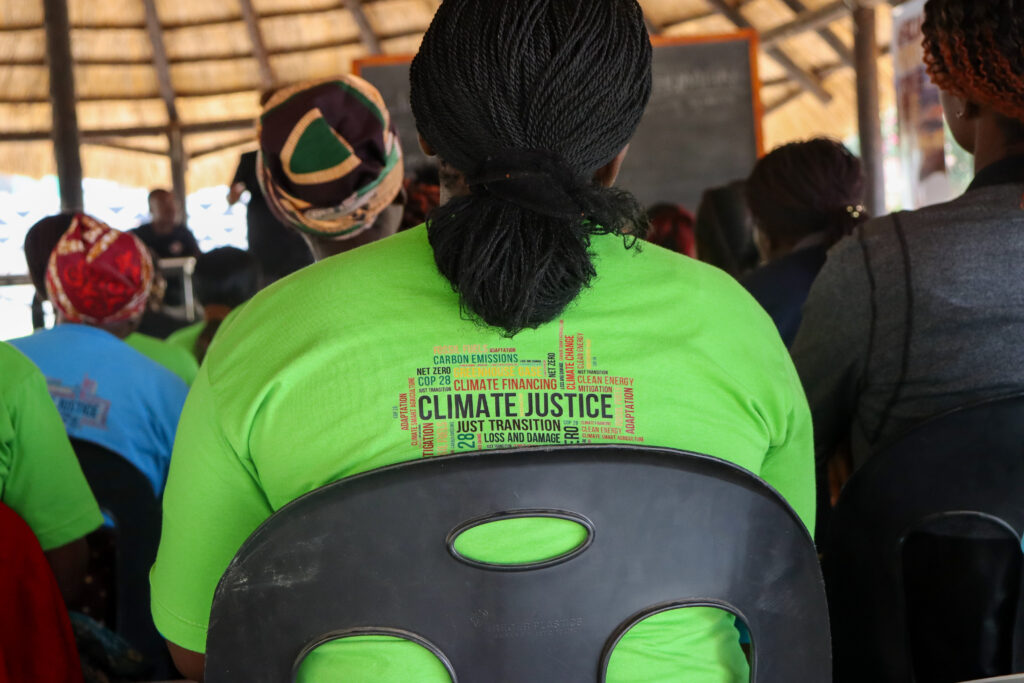
NGOs and civil society organizations must continue to advocate for climate justice, holding developed nations accountable for their historical emissions and pushing for equitable climate finance.
By raising awareness and mobilizing grassroots support, these organizations can pressure governments and international bodies to honor their commitments under the Paris Agreement. Collaboration between the government, private sector, and NGOs can unlock new opportunities for climate action.
For example, partnerships with renewable energy companies can accelerate the transition to clean energy, while collaborations with agribusinesses can promote sustainable farming practices.
These partnerships can also attract investment and create jobs, contributing to economic growth.
The U.S. withdrawal from the Paris Climate Agreement has undoubtedly created challenges for Zimbabwe and the NGOs working within its borders.
However, it has also highlighted the urgent need for innovative and collaborative approaches to climate change.
By diversifying funding sources, strengthening regional cooperation, and investing in local capacity building, Zimbabwe can build resilience and chart a sustainable path forward.
The global community must not lose sight of the interconnected nature of climate change, and nations must recommit collective action to safeguard the planet for future generations.
In the face of adversity, Zimbabwe can lead by example, demonstrating that even the most vulnerable nations can rise to the challenge of climate change.