
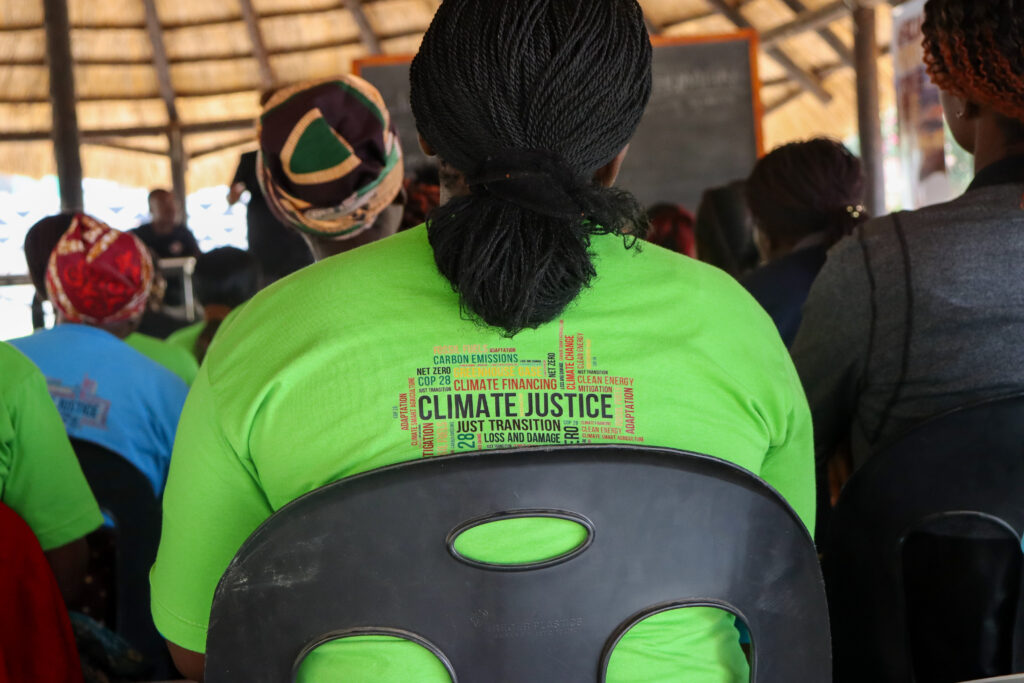
The untold story of Cyclone Idai is its gendered dynamics. It had apparent gendered effects which saw women and girls bear the heavy brunt of suffering due to their roles in the family and community. The Weekly can reveal.
The Cyclone left behind nothing short of catastrophic damage in Zimbabwe, tearing apart lives, submerging villages, and destroying everything for families but little has been said about the gendered effects of the natural disaster.
The startling revelations came out last week during a commemorative workshop to remember those who died during Cyclone Idai organised by the Centre for Natural Resources Governance and its TaCCET partners. TaCCET stands for Tackling Climate Change and Energy Transitions Project (TaCCET-Zim). It is a climate justice consortium whose members are – Reyna Trust, Environmental Buddies, MACRAD, Young Entrepreneurs Trust, Green Governance, WONECA and CNRG which plays a coordination role.
We heard testimonies of how brave mothers perished as they tried to cross the flooded rivers with their children. One woman had a child snatched from her back by torrents. She was carrying one child on her shoulders whilst holding another who got submerged and swept away.
“The disaster really affected us as women. In some cases during Cyclone Idai the physical strength of men allowed them to survive compared to women. Imagine the survival possibilities of a woman with a child on his back versus a man not carrying anything.”
The burden of caring for children during the disaster hugely depended on women” said Rachel Mutongo aged 42 from Ward 21, Kopa, Chimanimani.
“Even after the cyclone when we were put in emergency camps, the burden to provide food, and clean and safe drinking water was a responsibility of women. Imagine sharing the same tent with four children and making sure that everyone is fed and safe,” she added.
Women also took leadership during the chaotic night when hundreds perished in the darkness. One mother narrated how she led her husband and children out of the house as water reached window level. She said she slowed down her family and instructed them to tip-toe as the water-soaked ground appeared like it wanted to open up and swallow them.
In Zimbabwe, nearly 17,000 households were displaced, and an estimated 1.4 million hectares of arable land, accounting for one-third of national agricultural production, was destroyed, affecting 50,000 people, the majority of whom were women, exacerbating already high levels of malnutrition.
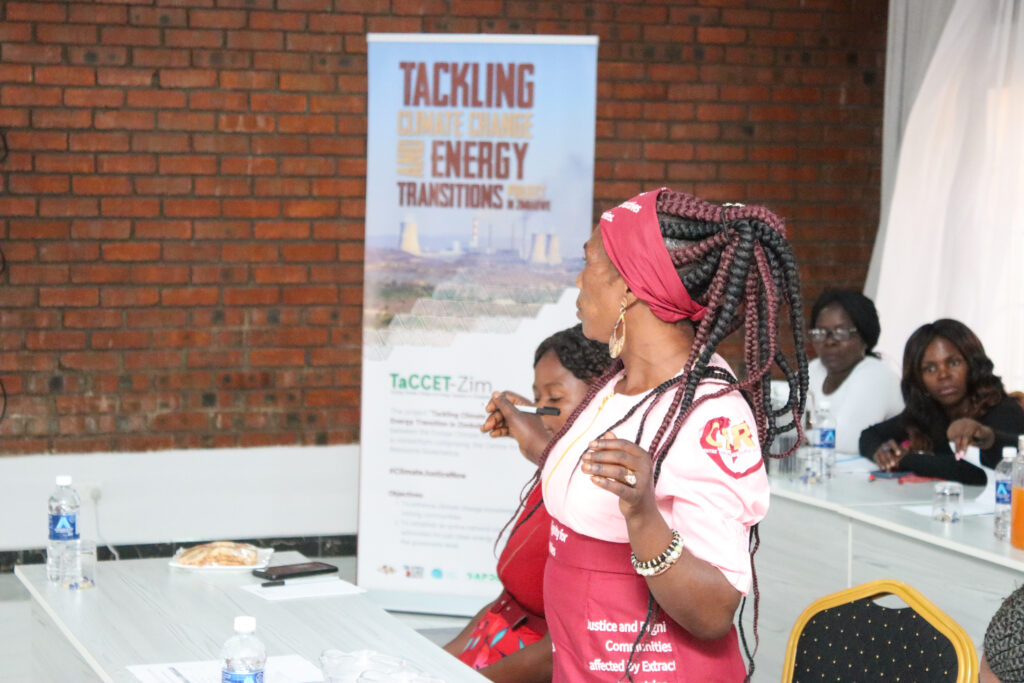
Erica Matimaire (56), who lives in Ward 21 Ndima Village with her grandchildren, lamented how the cyclone took away her livelihood options as she used to have a small plantation of bananas, pineapples and oranges which were swept by the cyclone. These plantations were her main source of livelihood, and she has not found another source of livelihood since then. The other option available to her is artisanal mining which is the most dominant activity in the area. Erica no longer has the physical strength to engage in artisanal mining, which she also says is very damaging to the environment.
“The cyclone destroyed our primary source of income. My small plot of land, where I had been growing fruits, got flooded. This had a significant impact on me as a small-scale farmer who lived from hand to mouth. I no longer have a source of income. If I was a man maybe I could switch to mining, but the job is mostly for men due to its physical energy requirements.
“We heavily relied on the money we made from selling these fruits, which helped us support and feed our families. The few handouts we received in the aftermath of the cyclone didn’t last very long, and now we are left on our own” she said.
In some instances, women drenched in the cyclone waters were stripped naked and men had to give them T-shirts to cover up as dresses during the rescue efforts. These experiences left many women traumatized.
After the cyclone, some young girls dropped out of school as the first preference to continue with school was given to boys.
In a separate interview with THE WEEKLY, CNRG’s Programmes Manager, George Nyamaropa expressly outlined the reasons why the effects of cyclone Idai were more severe on women and girls than on boys and men.
Disaster preparedness and gender
Women were more affected by the cyclone than men due to higher levels of vulnerability. The scarcity of safe drinking water and damage to sanitation facilities was a major challenge, leaving women with the burden of looking for alternative water sources. Despite these vulnerabilities, the disaster did not achieve the degree of responsiveness and sensitivity to the basic needs of women, endangering their lives and safety even further.
People had to remain in one location due to Cyclone Idai’s weeklong downpours. Women were more at risk of exposure than men during that period because they were crammed into makeshift shelters without access to basic WASH services.
Inequitable effects on livelihood
Small-scale farming was a substantial source of income for most communities in Chimanimani, and it has been a factor in the region’s ability to meet its food security needs. Due to the effects of floods, a lot changed affecting the Chimanimani community. The ability of women to produce food for their families was diminished by the cyclone. The problem is dire for single mothers.
The cyclone left those with a lower income and less social capital unable to rebuild their lives.