
Labor representatives in the mining sector have scoffed at the paltry increase the National Employment Council offered to workers, describing the latest offer as an insult after a year without review.
The Weekly, has gathered that the NEC negotiations which concluded recently, offered a US$14 increment much to the disappointment and sadness of workers who anticipated a minimum wage of US$600.
The NEC notified employers in a circular dated 18 June 2024 that the lowest mine worker’s salary was to be raised by US$14,20 for the April to June period, from US$355 prior, taking the new minimum wage to US$369,20.
The salary increment falls short of the Poverty Datum line which stands at US$575 at a time when the cost of goods and services keep increasing in Zimbabwe, despite the introduction of a new currency, a trend that accelerated at the beginning of 2024.
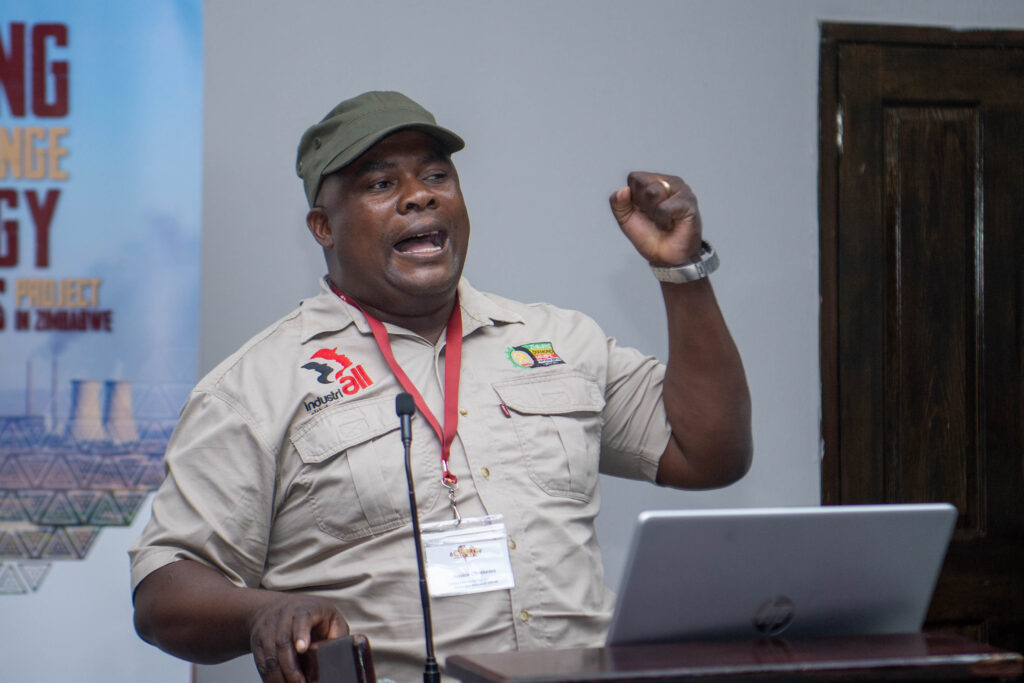
In a statement Zimbabwe Diamond and Allied Mineral Workers Union (ZDAMWU) secretary-general Justice Chinhema said the entire mining industry was disappointed and dejected following the US$14 salary increase backdated to April.
The NEC through a circular dated June 18, 2024, and directed to all mining firms’ managers announced the new rates that will see mine workers receiving an increment of US$14 for the period that extends from January 1 to December 31, 2024.
ZIDAMWU says the latest increase was out of touch with reality, as workers expected to receive news of a living wage in tandem with the current reduced purchasing power of their current minimum salaries.
“Mine workers expected to receive good news from the NEC since they last had a salary increase in March 2023 stretching for the whole year. What has been released and circulated by the NEC is pathetic and an (insult) to the hard-working mine workers in Zimbabwe.
“As the Zimbabwe Diamond and Allied Mineral Workers Union, we vehemently reject the released circular because we believe it is nothing compared to the current prevailing production situation in the sector and the country at large. With this wage, mine workers will not be able to put food on the table for their families and also send their children to school in a country that is facing serious drought.
“We are shocked that the agreement was made without taking into consideration the economic situation prevailing in the country,” reads part of the statement.
The agreement was reached following consultations with the Associated Mine Workers Union of Zimbabwe, which is accused of sidelining critical input from other stakeholders in the mining sector.
Labour has also sent a warning to the Chamber of Mines that, with such paltry increases in the sector morale was low and production would be impacted negatively, calling on individual mines to consider adopting realistic salary wages.
“The Chamber of Mines needs to be told in their face that no one is going to benefit from this outcome and production is going to be affected. We wonder why comrades from the Associated Mine Workers Union of Zimbabwe failed to recognize the need to consult us to be their partners.
“It is therefore, our call for the NEC to revisit the newly announced increment and revise it upwards to at least meet the expectations of the workers which has been USD600. 00 minimum.
“Individual mines should ignore this insult and consider the plight of their workers by rewarding them according to their production levels.”
The mining sector accounts for about 15 percent of the country’s gross domestic product (GDP) and 80 percent of national exports. Gold dominates as Zimbabwe’s single biggest export accounting for 24%, followed by mineral mattes, an intermediate product (includes the large exports of platinum group metals) accounting for 18,3% of the total value of goods exported.
Industrial diamonds also make a significant 10,1% contribution to total exports, Nickel Ores & Concentrates account for 8.8%, Iron & Steel 4.7% while other minerals come in at 4.2% of total exports.
Justice Chinhema, ZDAMWU Secretary-General called for extensive consultations by the NEC for the bargaining processes to be inclusive and responsive to the prevailing volatile macroeconomic environment and cushion workers through a ‘significant input for the sector’s overall representation.
“We demand that the NEC should realize that it has been a long since the workers last got an increment and NEC must apportion reasonable amounts to the mining foot soldiers who bring the fortunes out of the ground to the mining sector.
“To mine workers in general, we encourage them to rise and engage the employers at the mine level using the works council platform to demand a living wage commensurate with the prevailing situation on the ground across all districts,” he said.