
By Munashe Masiyiwa
Natural resources have historically been a pivotal element in Africa’s political and economic framework, influencing both prosperity and conflict. Throughout the continent, resources such as land, minerals, oil, and water have been central to power struggles, inciting conflicts, reinforcing authoritarian regimes, and occasionally acting as instruments in peace talks.
For the Pan-African Youths of Africa, grasping and participating in the governance of these resources is vital for creating a future in which these assets serve the people rather than incite instability.
There are various ways in which natural resources lead to conflict.
Resources can be a direct source of conflict when communities clash over access and control, as evidenced by land disputes between pastoralist and agricultural communities. They may also serve as a remote cause when economic disparities stemming from resource wealth generate grievances that eventually escalate into violence, such as in Nigeria’s Niger Delta.
Numerous African conflicts have been prolonged by the accessibility of resources that fund military efforts. The civil war in Sierra Leone (1991–2002) exemplifies this, where diamonds—often labeled as “blood diamonds”—were exploited to finance the Revolutionary United Front (RUF) rebels. Resources and Authoritarian Governance: Many central governments utilize resource wealth to solidify authoritarian regimes, consolidating power by rewarding elites while stifling opposition.
Oil-rich countries like Equatorial Guinea have faced allegations of elite capture and human rights violations related to resource control. Resources in Peacebuilding Efforts: Natural resources also contribute to conflict resolution. The July 1999 Lomé Peace Agreement in Sierra Leone controversially assigned diamond resources to the rebel leader Foday Sankoh, underscoring the political significance of resources in post-conflict arrangements.
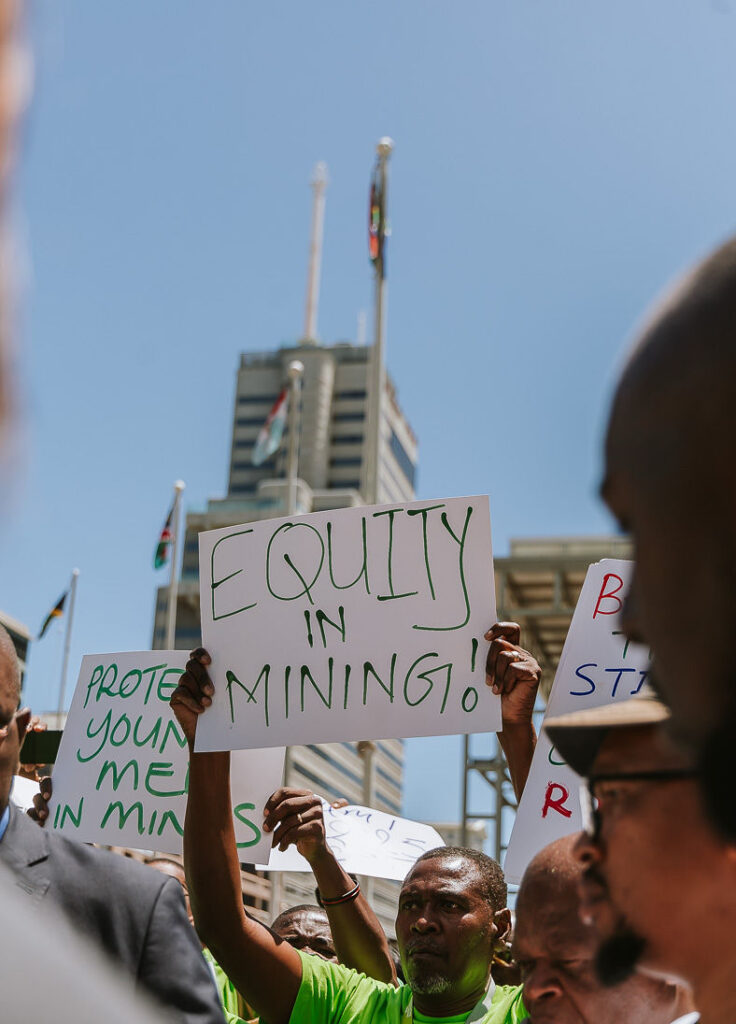
A significant challenge in Africa’s resource governance is the conflict between local communities and national governments. While governments assert ownership of natural resources in the name of national interests, local communities contend that they absorb the environmental and social consequences of extraction with minimal to no benefits. This dichotomy has fueled animosity and resistance movements, from artisanal miners in the Democratic Republic of Congo (DRC) to indigenous land defenders in Kenya.
Subpar governance, weak administrative frameworks, and insufficient laws intensify conflicts surrounding resources. Elite politics further complicates the fair distribution of wealth, often sidelining communities most impacted by resource extraction. Nevertheless, civil society organizations, including youth-led movements, have increasingly challenged these governance inefficiencies, advocating for transparency, community engagement, and equitable resource-sharing frameworks.
As the largest demographic in Africa, youth must assume a pivotal role in shaping the continent’s resource governance policies. This involves:
Advocating fair resource management, ensuring that wealth supports both national progress and local communities.
Engaging in decision-making processes, advocating for policies that emphasize sustainability and justice.
Innovative advancements in entrepreneurship and technology, including blockchain for tracking resources, to address corruption within the extractive sector.
Enhancing Pan-African unity, collaborating across borders to advocate for reforms that avert resource-induced conflicts and authoritarian rule.
Natural resources ought to be a foundation for collective prosperity instead of division and exploitation. Through participation in governance reforms, the Pan-African Youths of Africa have the potential to convert the continent’s resource wealth into a catalyst for sustainable development and peace.