
By Donald Nyarota
Despite the mining industry’s strong contribution to Zimbabwe’s economy, accounting for over 13% of GDP and generating more than US$5 billion in revenue, workers on the ground say they are yet to reap the rewards of this growth.
In a year marked by continued economic turbulence and high inflation, mining sector employees will see a marginal 5% salary increase after protracted negotiations facilitated by the National Employment Council (NEC) for the Mining Industry. The Zimbabwe Diamonds and Allied Minerals Workers Union (ZDAMWU) and the Associated Mine Workers Union of Zimbabwe (AMWUZ) led the latest bargaining efforts.
Increment Breakdown:
Under the new agreement, workers will receive a staggered 5% salary increase throughout 2025: 4% from January to June, followed by an additional 1% from July to December. This change will raise the minimum monthly wage for a Grade One worker from US$372.75 to US$387.66 by mid-year, and then to US$391.37 by year-end.
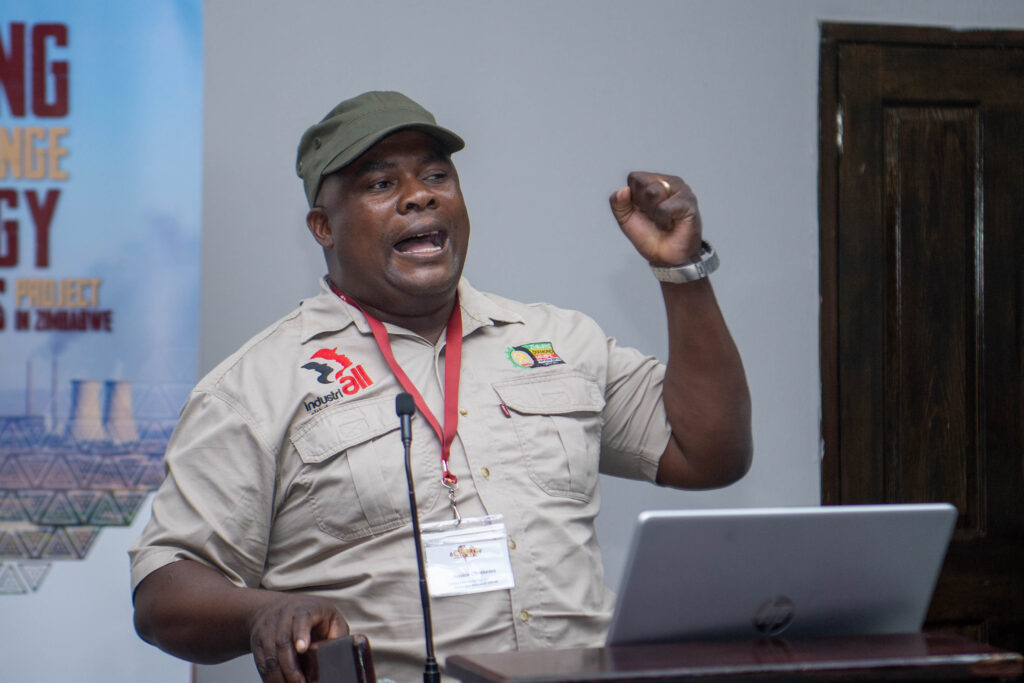
ZDAMWU Secretary-General Justice Chinhema acknowledged the increase as a partial win, but emphasized that the agreement was a compromise, not a reflection of the workers’ actual needs.
“We continue to push for additional benefits such as transport allowances, housing, and medical aid. These are not luxuries, but necessities for vulnerable workers in a sector that continues to drive the country’s exports,” said Chinhema.
2024: A Year of Frustration for Mine Workers
While the latest increment offers a slight boost, it follows a deeply frustrating 2024 for mine workers. The NEC’s last review in June 2024 saw the minimum wage rise by just US$14.20—from US$355 to US$369.20. At the time, unions condemned the move as a “pathetic” response to the growing cost of living and economic challenges.
“This circular is out of touch with reality,” ZDAMWU stated in response. “Mine workers expected a meaningful increase after a year without any salary review. What we received instead was an insult. This increment cannot sustain a family, send children to school, or put food on the table—especially amid a worsening drought and soaring prices.
Workers and unions have long argued for a minimum wage pegged to the poverty line (PDL), which stands at around US$575. They have also expressed frustration at being excluded from critical stages of the negotiation process, particularly accusing AMWUZ of bypassing collaborative input from other unions.
In 2024, a CNRG report revealed that Chinese miners are violating labour rights and paying well below the gazetted minimum wage for mine workers. In February 2025 the National Mine Workers Union of Zimbabwe petitioned the Chinese Embassy naming at least 22 mining operations were flagged for labour exploitation, including wage theft, lack of protective gear, physical abuse, and unfair dismissal.
Workers at the fingered mines and similar ventures reported receiving wages far below the NEC-stipulated minimum, while being subjected to harsh and unsafe working conditions. In some cases, employees reported being forced to work long hours without overtime pay, and without recourse to proper grievance mechanisms.
“These companies are making billions while paying our people in crumbs,” one worker at Dinson Iron and Steel Company (DISCO) in Manhize said. “If you complain, you’re fired on the spot, sometimes without being paid for the days you worked.”
Although DISCO is not part of the shamed 22 mining firms, its track record on labour is poor with reports of worker intimidation prohibition of unionism, poor working conditions- violations that have become synonymous with Chinese owned companies operating in the country.
Rising Tensions and Calls for Action
The wage dispute has sparked warnings from unions that worker morale is declining, which could severely affect productivity across the sector. With Zimbabwe’s mining output dominated by gold (24% of total exports), platinum group metals (18.3%), diamonds (10.1%), and nickel (8.8%), any drop in performance could have ripple effects across the broader economy.
“The Chamber of Mines must realize that they too will suffer from low productivity if workers continue to feel undervalued,” said Chinhema. “We call on individual mining companies to go beyond the NEC’s offer and reward workers based on actual production levels and local realities.”
He also urged workers to use the Works Council platform at mine level to demand better wages and to resist a “one-size-fits-all” approach that fails to reflect the diversity of conditions across mining operations.
Looking Ahead: The Need for Inclusive Bargaining
As Zimbabwe navigates a complex economic landscape, the mining sector remains critical to the country’s financial stability. However, without equitable distribution of its wealth, tensions between capital and labour are bound to deepen.
“We urge the NEC to conduct thorough consultations with all stakeholders,” said Chinhema. “Collective bargaining should be inclusive, responsive, and rooted in the lived experiences of the workers who continue to power Zimbabwe’s economic engine.”
At a time when the mining sector is thriving, the people behind its success mustn’t be left behind.