
By Staff Reporter
The degradation of the Lukosi River and mounting concerns over water extraction around Kalope Dam have raised questions about the environmental oversight of mining operations in Hwange, where rural communities fear that the pursuit of mineral wealth could undermine their access to water and threaten agricultural production.
At a site near Hwange Rural District Council offices, extraction activities along the Lukosi River have reportedly left the river environment severely disturbed. Photographs and video footage taken at the site have raised concerns about the extent of the damage and whether sufficient safeguards are being enforced to protect the waterway.
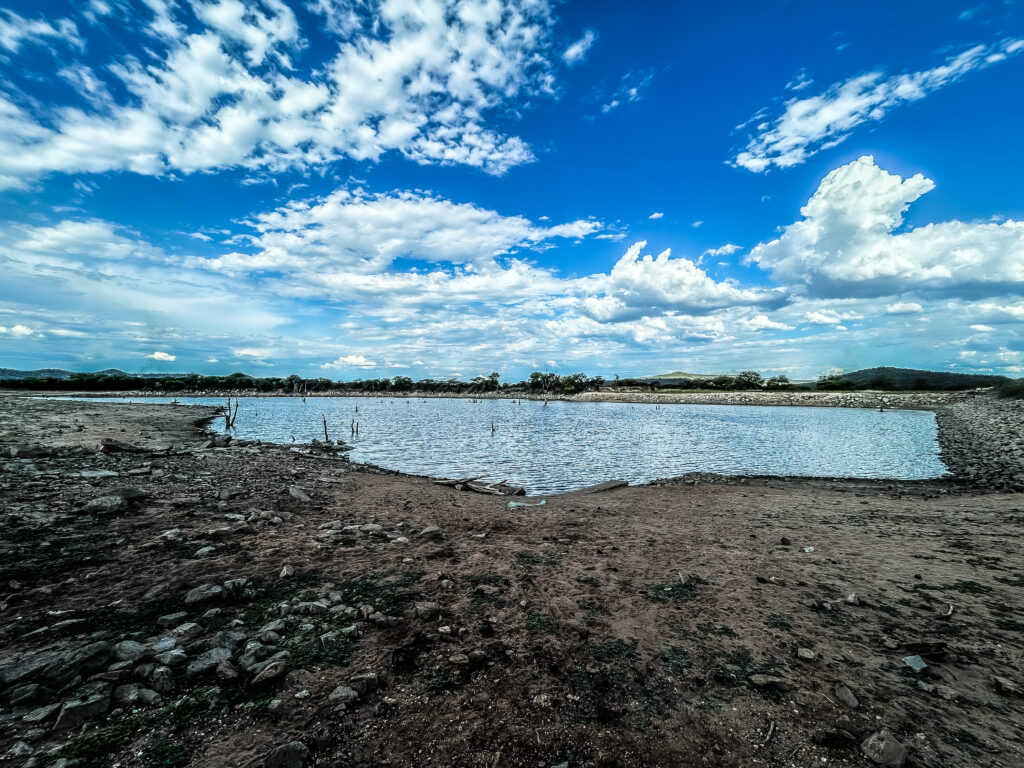
But the concerns extend beyond the river itself. At Kalope Dam in Diki Village, farmers say developments associated with nearby mining operations are threatening the water supply on which hundreds of households depend.
The dam is the lifeline of the Lukosi Irrigation Scheme, which sustains more than 280 families and contributes to national food security through the President’s Food to All programme. In September 2024, the scheme delivered 30 metric tonnes of wheat to the Grain Marketing Board, demonstrating its contribution to agricultural production.
That achievement is now under pressure, according to concerns raised by community representatives.
Four tributaries feeding Kalope Dam, Chamabanda, Mavhulamesho, Nsunsumbe and Chamalala, have reportedly been blocked by South Mining’s Mutargech division. Community concerns also centre on activities attributed to Chinese mining company ZJHL, which reportedly drilled ten boreholes, each approximately 280 metres deep, near the dam and constructed an eight-kilometre pipeline measuring 24 inches in diameter to transport water from the dam to its mining site.
The reported combination of blocked tributaries and large-scale water extraction has raised fears about declining water availability. Residents and farmers are concerned about the implications for household consumption, irrigation and the long-term viability of their livelihoods.
These allegations require urgent clarification from the companies involved and the relevant authorities, including details of the applicable permits, environmental assessments, water abstraction rights and measures in place to protect community water supplies.
The issue also raises broader questions about how competing demands for water are managed in mining districts. Water used by mining operations is not merely an industrial input; it is a resource that sustains households, food production and local economic activity.
Where communities depend on a dam for irrigation and livelihoods, decisions affecting its inflows and available water must be transparent, subject to proper oversight and informed by the needs of those who depend on it.
Community representatives have reportedly attempted to engage the mining companies’ management, urging them to respect local rights and reconsider activities that could compromise access to water. A follow-up engagement at Kalope Dam would provide an opportunity to establish what has changed since earlier concerns were raised, whether promised remedial measures have been implemented and what further action is required.
The relevant authorities should investigate the reported obstruction of tributaries, verify the scale and legality of water abstraction, assess the dam’s inflows and establish whether mining activities are affecting water availability. Any necessary corrective measures should be developed in consultation with affected residents and farmers.
The condition of the Lukosi River and the water security of Kalope Dam point to a common challenge: natural resource extraction cannot be assessed solely by the minerals produced or the investment attracted. Its consequences for communities and ecosystems must also count.
For the families who depend on the Lukosi Irrigation Scheme, the stakes are tangible. Reduced water availability could undermine agricultural production, threaten household incomes and weaken a local contribution to national food security.
Zimbabwe’s mining sector must operate within environmental and water-governance safeguards that protect both economic activity and the rights of communities. Authorities must demonstrate that permits come with enforceable conditions, that water resources are monitored and that companies are held accountable where environmental harm is established.
The question facing Hwange is not simply how much mineral wealth can be extracted, but whether the rivers and dams sustaining rural life will remain capable of supporting communities long after the extraction is over.