
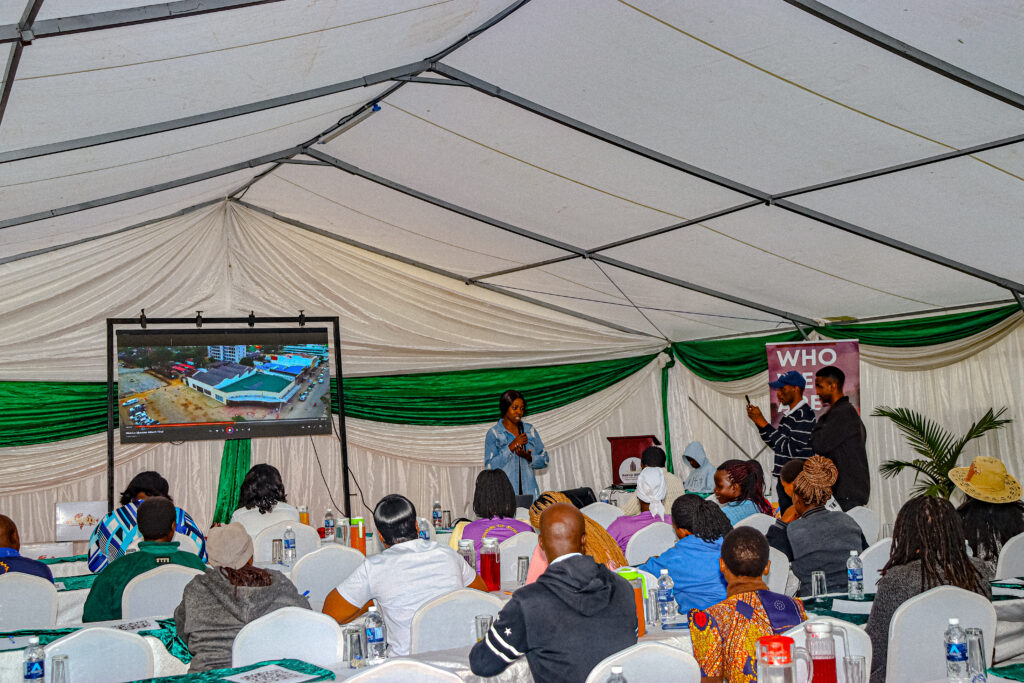
During the Manicaland Women Symposium on Extractives, we repeatedly heard the need to reform the current structure of benefit sharing from the diamond sector, as share ownership trusts are falling short. Yet, this call risks becoming meaningless without clarity on what communities need to do to force the hand of mining companies.
The 6th annual symposium held on the 24th of July 2024 was hosted by the Centre for Natural Resource Governance (CNRG) in collaboration with the Zimbabwe Diamond Workers Union (ZIDAWU) in the eastern border town of Mutare.
In a declaration at the end of the session communities resolved to demand accountability. “As community members, we are demanding to see the contents of the dividend disbursement of the 1.2 million. Without such disclosure, we will make an urgent petition to have the trust dissolved and write to the Parliament to assist the community in getting accountability.
“We will also take legal action and consult lawyers on the available legal route.”
Commenting on civic society’s role in amplifying community voices, CNRG director Farai Maguwu says people have a right to demand answers from mining companies and responsible authorities.
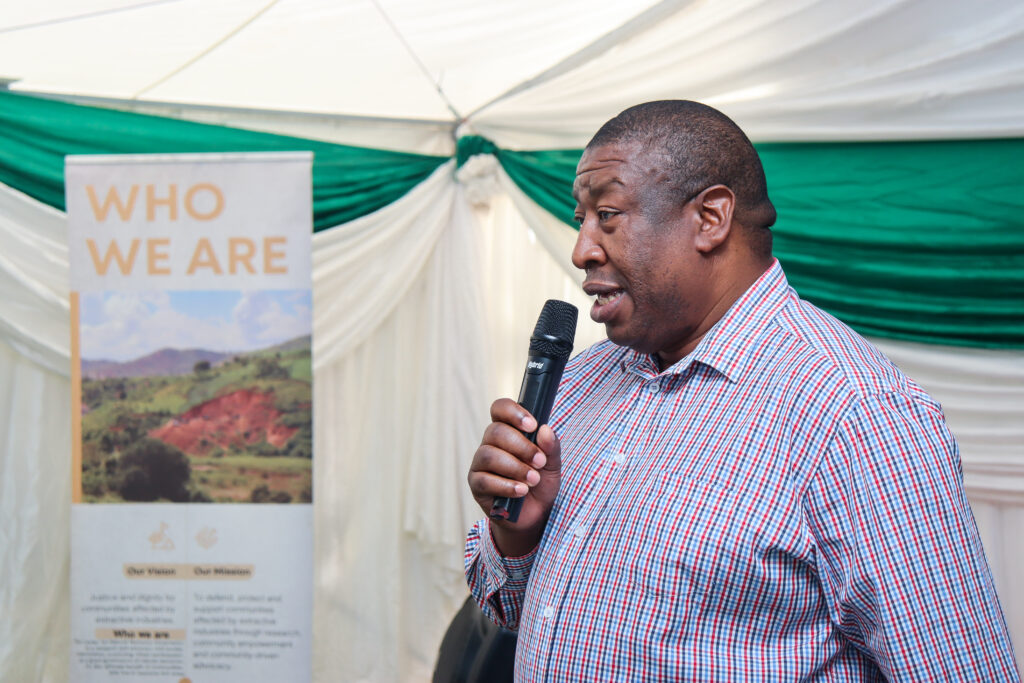
“The community is being silenced in the current arrangement of the disbursement of 1.2 million to the CSOT, we are pushing for tangible development, investment in health and education sectors, and alternative livelihoods.
“Local people should organize and mobilize to resist destructive mining practices which can lead to catastrophic consequences during this era of climate change. CSOT funds were looted and have disappeared from their coffers. Marange CBOs have continued to demand the funds, and we continue to fight in solidarity with the community that should benefit from the funds,” he said.
During the Women’s Symposium community voices were clear on the need to ensure that benefits from diamond extraction cascade to common people. There was a lively debate about the current unclear disbursement of a community dividend fund of US$1.2 million.
The US$1.2 million funds were released by Zimbabwe Consolidated Diamond Company (ZCDC), into a trust clandestinely set up by Hardwork Mukwada, Newman Chiadzwa, and local traditional leaders, without the knowledge of the community.
The trust is facing allegations of misuse of funds, with some villagers accusing the CEO, Mr. Mukwada, of inflating project costs and operating a ghost account without the knowledge of other trustees.
Chiadzwa villagers are demanding accountability and transparency in the use of the community dividend, with some calling for the arrest of Mukwada and others demanding that the funds be used for community-driven development projects.
“We are concerned about the administration of the trust by convicted criminals that do not represent the interest of the people,” says Itai Nhaitai, a community activist, and a member of youth group YETT.
Under this arrangement, community-based organizations and villagers said there are risks of further expanding the influence, of compromised individuals, who lack accountability and are illegitimate to manage the funds.
While their lack of accountability and illegitimate governance remains unaddressed, some community projects have commenced, with inflated costs absolving the previous doubts of the community.
The distrust of ZCDC on the part of ostracised CBOs from the newly formed Chiadzwa Community Share Ownership Trust (CCSOT) originates from a dark past of unaccountable administration of a previous similar arrangement.
It is a classic case of once bitten twice shy for communities. Distrust for another intervention that is incoherent with community priorities for development is rooted in a history of a USD 50 million dummy cheque.
A brief peek into history illustrates this point. Initially, the Marange Zimunya (CSOT) was set up in 2011 by the late former President Robert Mugabe. This paved the way for releasing a 10% dividend prescribed under the Indigenisation law, which also required that 51% of corporate shares in select sectors of the economy be locally owned.
During the launch, Mugabe received a US$1,5 million dummy cheque from Chinese miner Anjin Investment Private Limited, a partnership between the army and Anhui Foreign Economic Construction Company (AFECC).
Anjin, together with other six diamond miners including Mbada, Jinan, Marange Resources, DMC, and Kusena pledged to contribute US$50 million into the trust coffers but only US$400,000 was disbursed before the miners reneged on their promises.
In short, the distrust of the CCSOT administration and the government entity ZCDC bemoaned during the gathering of community gender focal persons – did not emerge from a vacuum. They are rooted in longstanding concerns about the lack of benefit sharing.
To achieve sustainable development from the extraction of diamonds, in impoverished communities like Chiadzwa, sporadic Corporate Social Responsibility will not cut it to bridge the financing gap. There is a need for a clear structure that prioritizes investment in education, health, and public infrastructure including roads and bridges.
It is time to bring down the unfair disbursement and management of the CCSOT, imposed on communities by dubious representatives and continues entrapping people in a vicious cycle of poverty, says Dorcas Chiadzwa.
“We now need to follow the money and ensure that people are lifted out of poverty by the proceeds coming from diamonds. It was better when diamond mining was free for all because then we benefitted as women.”
On its part, ZCDC has promised to deposit the $1.2 million funds directly into the accounts of service providers, ensuring that the funds are used for community projects, and has also pledged to follow good corporate governance tenets.
The current benefit-sharing architecture has not delivered a sustainable mechanism that creates enough investment in social goods and fiscal space to achieve structural transformation of local communities.
The call by delegates at the Women’s Symposium for the establishment of a credible framework for the CSOT underscores the deep dissatisfaction with the existing mechanisms for addressing the debt crisis and the unfair systems that exacerbate power asymmetries between lenders and borrowers.