
By Stanley Mugomeza
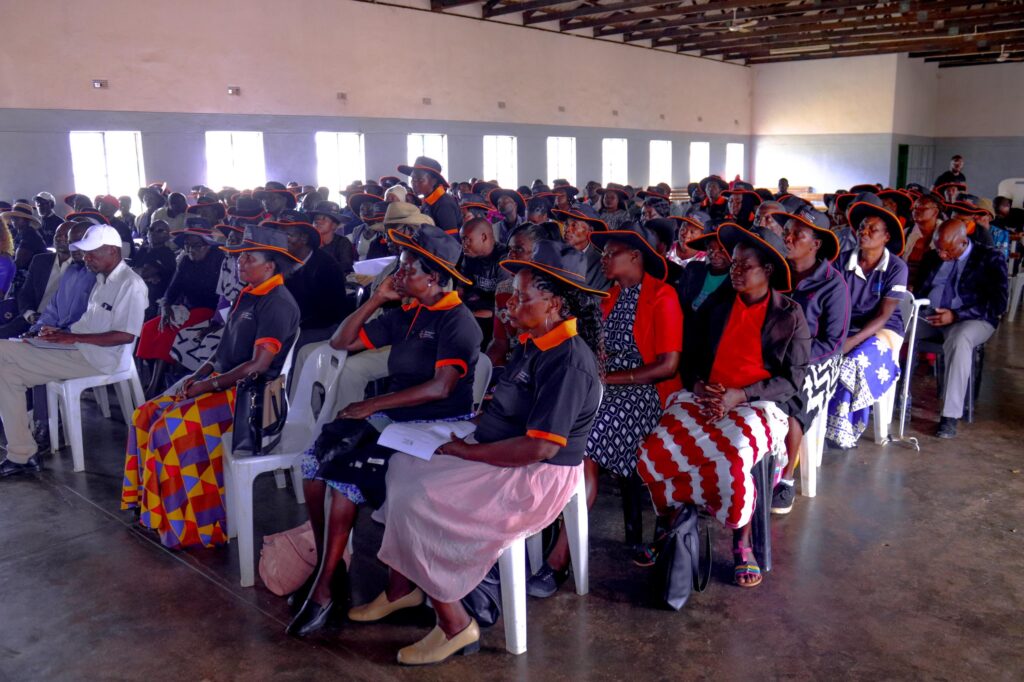
As the world commemorated the 16 Days of Activism against Gender-Based Violence (GBV), women in Zimbabwean mining communities continue facing increased vulnerability to the climate crisis. The effects of climate change have exacerbated existing gender inequalities, making women more susceptible to GBV, poverty, and poor health outcomes.
In rural, peri-urban, and mining communities, women are shouldering the burden of environmental degradation and climate change. In areas such as Gokwe, Chiendambuya, Zvishavane, and Shurugwi, women are experiencing increased GBV, family disorientations, divorces, early child marriages, and unknown sexual reproductive infections.
The climate crisis has also led to a shrinkage of natural resources, forcing women to take on more unpaid care work to sustain their families. This has resulted in decreased access to important life skills, education, and healthcare for girls and women.
Experts agree that addressing the social and gender dimensions of climate change requires a holistic approach. This includes gender mainstreaming in climate change response activities, sustainable and equitable development, a clear focus on adaptation and mitigation, and empowerment of individuals to build their own resilience.
Furthermore, there is an urgent need for gender-sensitive research to better understand the health impacts of climate change. Collecting, analysing, and reporting relevant data disaggregated by age and sex is crucial for thorough gender analysis.
As Zimbabwe joined the global community in commemorating the 16 Days of Activism against GBV, it is essential to recognize the differences in vulnerability and strengths of women and men. By acknowledging these differences, we can work towards achieving equity and social justice for all.