
The WEEKLY EYE With George Nyamaropa
In Zimbabwe, climate change and climate justice are indeed important and often overlooked topics. While the country may be one of the least contributors to global greenhouse gas emissions, the country is still highly susceptible to the adverse effects of climate change.
I’m here to provide you with a synopsis and insights on this contentious issue.
Zimbabwe, like many African countries, is experiencing the harsh impacts of climate change, including increased temperatures, erratic rainfall patterns, prolonged droughts, and extreme weather events such as floods and cyclones. These changes have severe consequences on the country’s agriculture, water resources, ecosystems, and overall socio-economic development.
Climate change has disrupted traditional farming practices in Zimbabwe. Erratic rainfall patterns, droughts, and floods have reduced crop yields and threatened food security. Small-scale farmers, who make up the majority of the population, are particularly vulnerable to these impacts.
Climate change has also resulted in habitat loss, reduced water availability, and altered ecosystems in Zimbabwe. This has led to the loss of biodiversity, including endangered species. The country’s iconic wildlife, such as elephants and rhinoceroses, face increased pressure due to habitat degradation and changing temperatures.
While this is occurring the most vulnerable populations such as smallholder farmers, women, and indigenous communities who are disproportionately affected by climate change but have limited resources to adapt have been hugely affected.
In order to address these challenges, CNRG has been carrying out a number of initiatives to promote policy reforms and increase the public’s awareness of the impacts of climate change. Through the Tackling Climate Change and Energy Transitions in Zimbabwe Project, CNRG is empowering rural communities to demand climate justice in light of the escalating climate crisis with financial assistance from the European Climate Foundation.
The movement advocates for a transition to clean energy, loss and damage compensation, transitional mineral beneficiation, and a reduction in dependency on fossil fuels. The movement also aims to hold the government accountable for its climate commitments, policies, and legislation.
One of the key aspects of climate justice is recognizing that the impacts of climate change are not evenly distributed. Vulnerable communities and marginalized groups often bear the brunt of its effects, despite having contributed the least to the problem. In Zimbabwe, rural communities, small-scale farmers, and indigenous people are particularly affected by climate change, as their livelihoods depend on rain-fed agriculture and natural resources.
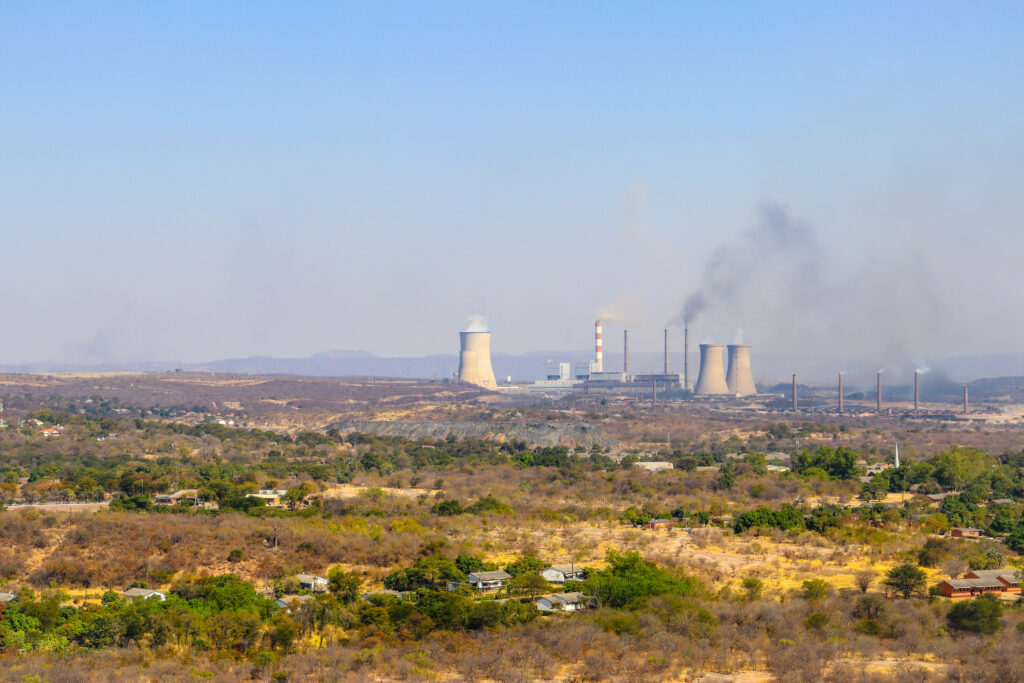
CNRG is also working for the reduction of greenhouse gas emissions, notably in Hwange, calling for alternative energy alternatives, as a method to advocate for climate justice to address these disparities and demand equitable action and solutions.
It is crucial for Zimbabwe and the international community to work together to ensure climate justice for all. This involves empowering vulnerable communities, promoting sustainable practices, strengthening resilience, and mobilizing resources to support adaptation and mitigation efforts.
Awareness and education play a vital role in addressing the untold story of climate change and climate justice in Zimbabwe. By raising awareness about the impacts and promoting sustainable actions, individuals, communities, and policymakers can contribute to a more equitable and sustainable response to climate change.
Remember, addressing climate change requires collective action at all levels, and your role in spreading awareness and taking sustainable actions is essential.