
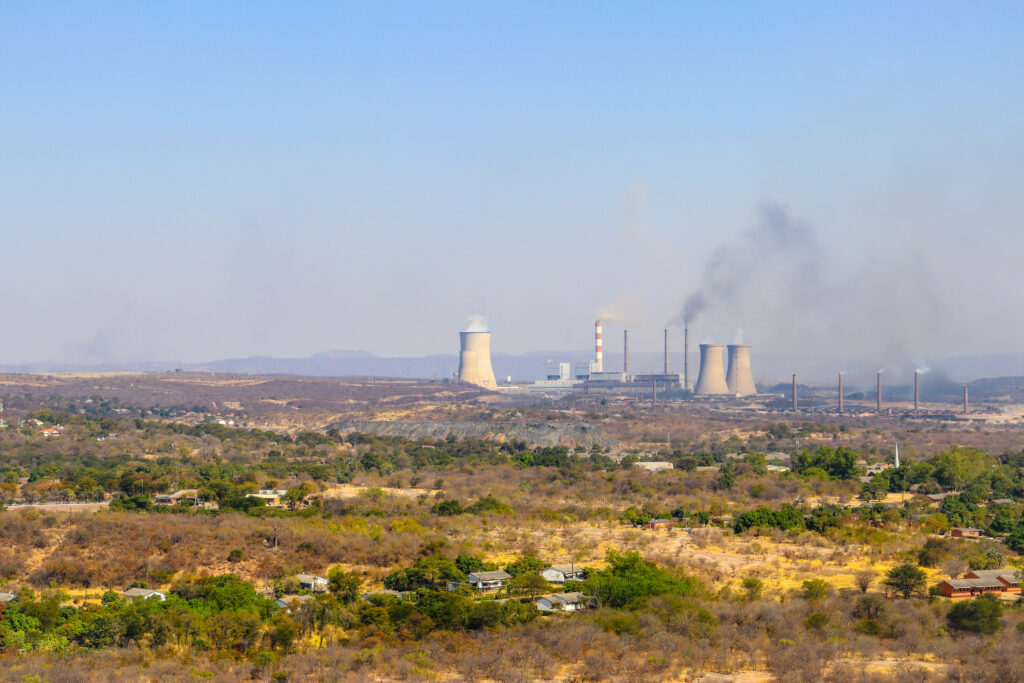
As the world grapples with the adverse effects of climate change which has over the past decades led to a rise in global temperatures and intense extreme weather conditions which are hitting hard on nations while contributing to food insecurity, population displacement as well as stress on water resources, many questions have emerged as to whether the concept of carbon credit is a better alternative to curb these effects. Let me hasten to unpack this subject here.
What are carbon credits?
Also known as carbon offsets, carbon credits are a type of a tradable permit or certificate that represents the right to emit one metric ton of carbon dioxide or equivalent greenhouse gas into the atmosphere in exchange for a monetary payment. The concept behind carbon credits is based on the idea that reducing emissions in one place can offset or compensate for emissions occurring elsewhere. Individuals, organizations, or countries can earn carbon credits by reducing their greenhouse gas emissions below their allocated limit.
These credits can be issued by countries or organizations that have undertaken projects to reduce carbon emissions. They can be bought and sold on international markets, allowing companies and individuals to offset their own emissions by investing in projects that reduce emissions elsewhere.
Are there Carbon Credits in Zimbabwe?
Although carbon credit trading in Zimbabwe is still in its infancy, the country is host to one of the first and largest Redd+ forest preservation projects – the Kariba Redd+ project which covers over 758,000 hectares of forest. Following reports of abuse of carbon credits by the private sector, the government is now working to establish a framework to regulate this market. Zimbabwe is one of the countries that has signed the Paris Agreement and has pledged to reduce greenhouse gas emissions.
Carbon credits have been utilized to finance projects that assist to reduce greenhouse gas emissions and promote sustainable development.
Article 6 of the Paris Agreement allows countries to voluntarily cooperate with each other to achieve emission reduction targets set out in their NDCs. This means that, under Article 6, a country (or countries) will be able to transfer carbon credits earned from the reduction of GHG emissions to help one or more countries meet climate targets.
On May 16, the Zimbabwean government announced a national carbon credit framework outlining guidance on the country’s compliance and voluntary carbon markets.
However, the framework also states that the government will receive 50% of the total revenue generated by carbon credit projects, while international and domestic investors will receive 30% and 20%, respectively. The demand for a 50% share by the government is yet another escalation of the privatization of air without mitigating climate change. The promise that 20% will be channeled to the communities points to another potential hoax as has happened with many other several schemes that were initiated in the name of communities such as Community Share Ownership Trusts and the Communal Areas Management Programme for Indigenous Resources (CAMPFIRE) which benefitted everyone else except the communities.
The Kariba REDD+ project in Zimbabwe is one example of a carbon credit scheme. This initiative aims to prevent deforestation and forest degradation in the Kariba region through sustainable forest management methods such as enhanced fire management, community engagement, and alternative income-generating activities. The initiative earns carbon credits that can be sold on the worldwide market by reducing the release of carbon dioxide from deforestation. However, the Kariba Redd project has been flagged as a fraud, as far as local communities are concerned. Investigations by Follow the Money showed that the supposed benefits of the project to the community were falsified and grossly exaggerated. Promised community projects such as vegetable gardens, new schools and health centers never took off since 2011 and yet the South Pole and their local partner shared EUR 100 million between them. It turned out to be money spinning venture with no impact on the reduction in carbon emissions.
Another significant initiative is the Zimbabwe Biochar Initiative (ZBI), which aims to promote sustainable agricultural practices and biochar production. Biochar is a form of charcoal produced through a process called pyrolysis, which sequesters carbon dioxide and improves soil fertility.
The ZBI aims to generate carbon credits from biochar production and sell them on the global carbon market. These credits would be earned by farmers who adopt biochar practices and reduce their emissions. The revenue from carbon credit sales would then be used to support further biochar projects and provide economic incentives for farmers to adopt sustainable practices.
Why Carbon Credits/Trading?
Carbon credits are a market-based approach to climate change mitigation, encouraging investment in cleaner technology and behaviors.
Various international agreements, such as the Kyoto Protocol and the Paris Agreement, have developed channels for member countries to trade and use carbon credits. There are also voluntary carbon markets where businesses or individuals can buy carbon credits to offset their emissions and demonstrate their commitment to environmental responsibility.
What are the challenges?
Despite the potential financial windfalls that can accrue from carbon trading, we must state that it remains a false solution to climate change and is subject to manipulation by the private sector. Governments can also generate massive revenues for and on behalf of communities without ever ensuring the benefits extend to the communities.
- Lack of Awareness: Many individuals and organizations in Zimbabwe have limited knowledge and understanding of carbon credits and their potential benefits. Consequently, the private sector has taken advantage of this lack of awareness to trick communities and local authorities into projects that have no impact at the community level and yet enriching the private sector organizations involved.
- Limited Capacity: There is a lack of technical expertise and infrastructure to effectively measure, monitor, and verify emissions reductions in Zimbabwe. This limited capacity can hinder the successful implementation of carbon credit projects and make it harder for Zimbabwean entities to participate in international carbon markets.
- Financial Constraints: The upfront costs required to establish and maintain carbon credit projects can be a significant hurdle for Zimbabwean businesses and organizations. The lack of financial resources may limit their ability to invest in renewable energy projects or implement carbon emissions reduction strategies.
- Reliable Measurement and Monitoring: Robust systems for accurately measuring and monitoring emissions reductions are necessary to ensure the credibility of carbon credit projects. There is need to put in place a tracking system to ensure the supposed financial benefits reach the intended beneficiaries to avoid the pitfalls that rocked the Kariba Redd+ project.
Addressing these challenges requires collaboration between the government, private sector, and international organizations. Providing technical assistance, raising awareness, creating supportive policies, and facilitating access to financing can help overcome these barriers and promote the adoption of carbon credit initiatives in Zimbabwe.