
Justice, Dignity, and Gender Equity in Zimbabwe’s Extractive Sector: Accelerating Action
By Passionate Fuza
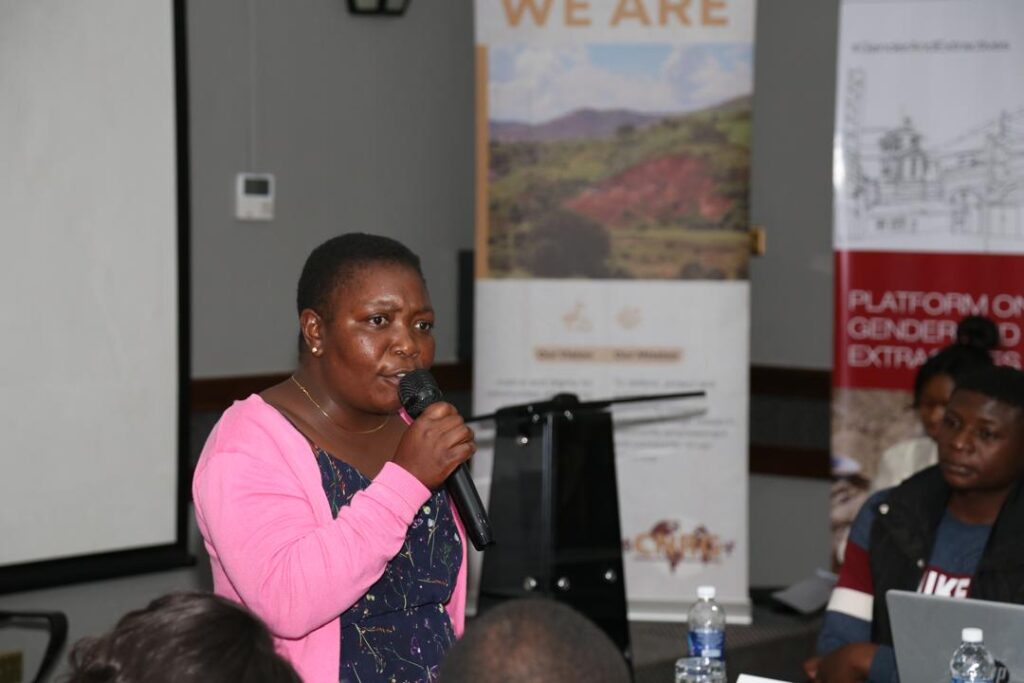
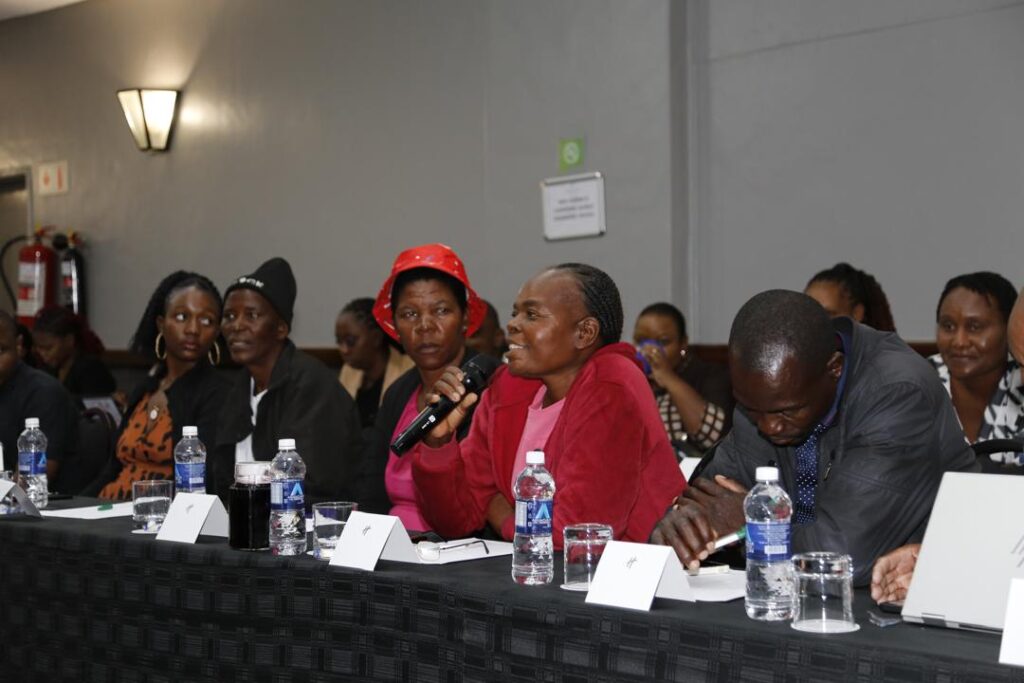
The 9th Edition of the Gender, Climate and Extractive Symposium, held on 25 April 2025 in Harare, brought together communities from Hwange, Penhalonga, and Shurugwi alongside government ministries, civil society organizations, and industry players.
Under the theme “Accelerate Action”, the symposium, organized by the civic society platform on gender and extractives, aimed to unpack barriers, stimulate collaboration, and advocate for gender equity in Zimbabwe’s mining sector.
The symposium was jointly organized by Action Aid in Zimbabwe, the Centre for Natural Resource Governance (CNRG), Silveira House, Zimbabwe Coalition on Debt and Development (ZIMCODD), Zimbabwe Council of Churches (ZCC), and the Zimbabwe Environmental Law Association (ZELA).
CNRG senior programs officer Tracy Mutowekuziva said, “We convened the gender, climate change, and extractive symposium because we have seen that, due to climate change, there is a change in how we’re extracting minerals and the kind of minerals that are needed for a just transition.
“This space was also created for solidarity among women living in resource-rich areas because they are excluded from decision-making, but when we look at the cost of mining, it is the women who will be the brand of the cost,” she said.
Gendered Realities in Mining Communities
The mining sector remains heavily male-dominated, sidelining women from economic opportunities and leaving them vulnerable to gender-based violence (GBV). Discussions revealed how entrenched patriarchal norms and gender stereotypes, particularly the view that mining is a “manpower” industry, continue to marginalize women.
Chinese investors and other employers were highlighted as preferring male workers, reinforcing exclusion and reducing women’s access to employment, property, and decision-making power.
As emphasized by Dr. Michael Pasara, from ZIMCODD during his presentation, women are not charity cases. The exclusion of women from fiscal pathways and economic spaces in the extractives sector must be addressed structurally and intentionally.
Shockingly, only 5% of mining roles in Zimbabwe are held by women, despite making up 14% of engineering graduates (Chamber of Mines 2022). These figures are more than statistics — they represent systemic barriers that must be dismantled.
Voices from the Ground
Participants from communities directly affected by extractives shared powerful testimonies. A Penhalonga community member, Loveness Kachingwe, expressed gratitude for the work of CNRG in empowering local women and promoting resilience through advocacy and capacity-building.
Similarly, from Hwange and Shurugwi, women lamented the negative impacts of increased foreign mining investments, which have disrupted local economies and undermined small enterprises.
Notwithstanding the challenges posed by mining activities, the community is presently developing its capacity to advocate for its rights through targeted interventions. Specifically, with technical assistance and support from civil society organizations, community members are acquiring skills in petition writing, advocacy, and community organizing to promote justice and assert their interests.
Faith, Accountability, and Resource Justice
The Zimbabwe Council of Churches (ZCC) reminded all stakeholders of the spiritual and moral obligation to ensure fair and equitable distribution of natural resources. They emphasized that natural wealth must benefit all citizens, especially those on the margins, in line with the principles of justice and dignity espoused in the Scriptures.
Michelle Chitando ZELA, legal officer said to create a more equitable and resilient future, there is need to prioritize two key objectives: supporting communities affected by climate change, who often possess valuable minerals, and promoting women’s full participation in the mining sector.
“We want to accelerate action around building resilience for communities impacted by climate change, which most often are the ones that have these minerals, but also accelerate the action to make sure that women fully participate in this vector and also removing all barriers so that we can have a vibrant mining sector that is cognizant of the climatic issues we’re facing, but also ensuring that women are contributing to the economic development of the country.
“We will not build a just economy if women remain at the periphery of power. It is time to Accelerate Action.”
Strengthening Women’s Voices and Rights
Panel discussions tackled critical issues including Sexual and Reproductive Health and Rights (SRHR), financial inclusion, and policy initiatives for gender equality in natural resource governance. The need for psychosocial support services for GBV survivors, safe working environments, and greater access to health services was echoed throughout.
The symposium concluded with a declaration for collective action, reinforcing the need for inclusive decision-making, gender-sensitive policies, and continuous community engagement. Stakeholders pledged to accelerate efforts in ensuring that women are not just participants, but leaders in the transformation of Zimbabwe’s extractive sector.
The 9th Gender, Climate and Extractive Symposium was more than a dialogue—it was a call to action. It reaffirmed that justice in extractives is incomplete without gender justice. As the sector continues to grow, so must our commitment to ensuring that women are seen, heard, and empowere