
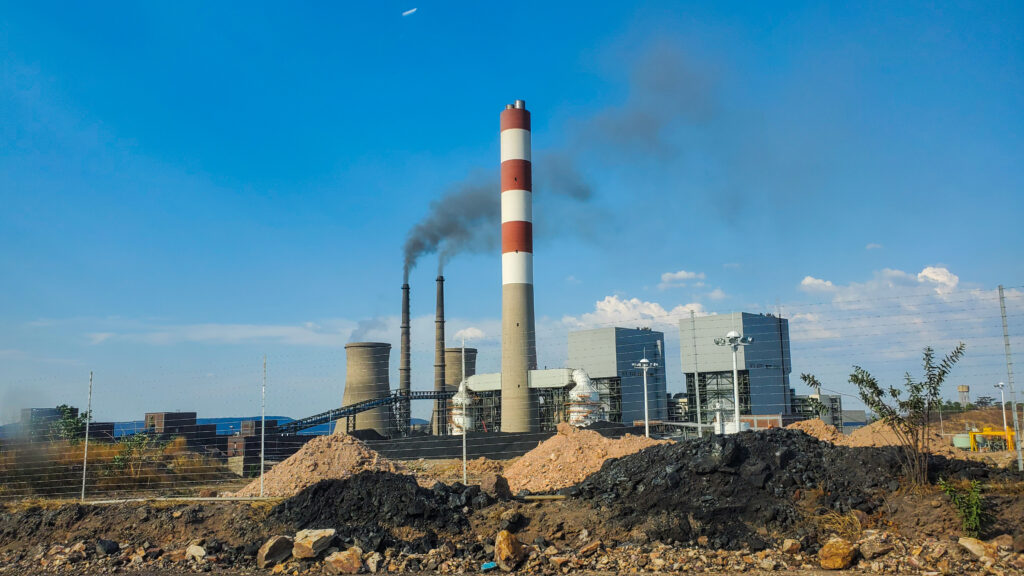
This article focuses on a trendsetting report produced by Publish What You Pay (PWYP) on the opportunities presented by transitional minerals to the continent. The report entitled HOW CAN AFRICA MAKE THE MOST OF ITS TRANSITION MINERALS? A pledge for enhancing value addition for development and prosperity was published in September 2024
By Staff Reporter
The African continent may miss out on a key opportunity to support inclusive growth, create jobs, and reduce poverty from transitional minerals. This offers a chance to boost its Gross Domestic Product (GDP) by US$24 billion a year and create around 2.3 million jobs.
Africa is home to more than 40% of minerals vital to the production of renewable energy technologies. Demand for such materials is expected to rise exponentially as countries transition to low-carbon economies.
The economic modeling in the research finds that ‘Industrial policies to promote trade in the materials needed for batteries, solar panels, and other clean energy technologies could boost Africa’s transition mineral-related exports by at least $32 billion by 2028.’
However, most of ‘Africa’s transition minerals are exported raw and value addition happens abroad, with China dominating the market, and the US and EU strategizing to catch up in recent years.’ As a result ‘Africa is currently stuck at the bottom of energy transition value chains while most of the profits are made elsewhere in the world.’
DRC, South Africa, Sudan, Zambia, and the Republic of Congo account for 90% of the continent’s current opportunities to increase the export of processed and transformed mineral products. Madagascar, Egypt, Namibia, Morocco, and Mozambique (and Zimbabwe) also have opportunities for hundreds of millions of dollars in additional annual exports.
“There is a huge untapped opportunity for transitional minerals not just to enable clean energy transition globally but to create jobs and grow the sustainable economy in Africa,” says Adam Anthony, Chair of the PWYP Africa Steering Committee.
Dr Ketakandriana Rafitoson, Executive Director of PWYP says, “The continental extraction, transformation, and use of transition minerals may help reduce energy poverty in Africa, a crucial step towards an energy transition which leaves no one behind.
“However, this process has to be surrounded by strong safeguards, in terms of human rights and ESG standards. We have to refrain from promoting development at all costs, especially if it’s detrimental to communities.”
PWYP calls for African governments to work together to manufacture transitional minerals on the continent, specializing in the value chains and applying the principles of effective industrial policy.
“This includes being strategic about which parts of the value chain they try to develop and weighing the costs and benefits of different types of government intervention. It is also likely to mean making industrial policies in a transparent, accountable, and participatory way.
“Managing the negative side-effects of mining and mineral processing on the environment, society, communities, and human rights will be crucial.”
From Resource Curse to Development Miracle: Recommendations for African governments
Most of Africa’s transition minerals are destined for manufacturing industries outside the continent. Only 2% of the continent’s exports of energy transition minerals are destined for other African countries.
Though some countries in Africa do process transition minerals to some extent, the continent remains almost completely excluded from downstream and often more lucrative segments of value chains for these minerals, such as design, manufacturing, marketing, and sales.
“African countries may wish to consider implementing the Africa Mining Vision to a greater degree. The Vision emphasizes adding value to Africa’s minerals. Adopting country mining visions can be an effective way to put the vision into practice,” reads part of the report.
African countries should develop economic and industrial cooperation amongst themselves, focusing on parts of the value chain where they are most competitive. This could be complemented by efforts to ensure that the benefits of such cooperation (e.g., jobs created, tax revenues earned) are fairly shared between cooperating African countries.
This approach will enhance their participation in transition mineral value chains and ensure economic benefits for African citizens.
African countries can make the most of their transition minerals by adding value to them: transforming them into products that can then be exported at better prices, and/or using them to address Africa’s own development needs, including building clean and affordable energy systems.
African countries should be strategic in deciding how to increase their participation in value chains. They should focus on specializing in the parts of the value chain in which they are most competitive, even if it means importing minerals from other countries, rather than seeing it as a necessity to retain the entire value chain of minerals within their soil.
Through this approach, there is also potential for Africa to produce renewable energy technologies for fostering an equitable access to energy on the continent, using its transition minerals. Regional economic cooperation and preferential trade agreements are key to ensuring African countries can trade minerals with each other and become competitive in the renewable energy market.
Mining has a huge human and environmental cost with devastating impacts, in particular for communities living in mining areas, Indigenous People, women, and rights defenders. No-go zones and safeguards must be put in place to protect ecosystems and the rights of affected populations, including a fair, ongoing process of Free, Prior, and Informed Consent—the Indigenous People’s right to give and withdraw consent to mining on their lands.
Value addition has to go hand in hand with strengthening accountability of the whole transition mineral value chain. We want to see resource-rich states adopt comprehensive national and regional laws for due diligence, public participation, and benefit-sharing.
Guarantee free and protected civic space, allowing stakeholders from across the country to participate freely in debates on politics and policy.
Civil society advocacy commitment
Civic society plays an integral role and should make advocacy commitments that push African governments to cooperate. The report recommends the following:
- Advocate for African governments to foster regional cooperation among African countries to enhance their participation in transition mineral value chains. This includes sharing resources, expertise, and technology to strengthen regional value chains and economic integration.
- Push African governments to develop policies to capture a greater share of transition mineral value chains, where this would carry economic benefits for the country in question.
- Hold governments to account for how they do this, ensuring that policymaking is well-reasoned, inclusive, and participatory and that both policymaking and policy delivery are transparent and accountable.
- Push African governments to reinforce protection of human rights, including Indigenous people’s rights, and the environment, and address corruption and integrity risks, including in transition mineral value chains.
- Campaign to protect and enhance civic space so that stakeholders across Africa can freely participate in discussions on politics and policy; this should include campaigning for restrictions on SLAPPs.
- Put pressure on development partners to support African countries to experience greater participation in transition mineral value chains, through knowledge and technology transfer, and through not opposing the sensible use of active industrial policies to promote these activities.
PWYP is a global coalition of civic organizations building on two decades of work on extractive industry transparency. It is a network of over a thousand organizations from more than 50 countries that are campaigning for a just transition to a fairer, cleaner energy future. The PWYP Zimbabwe coalition was founded in 2011 around the need to promote and protect the political, economic, social, environmental, and cultural rights of communities affected by extraction.
Members of the coalition include leading civic organizations the Centre for Natural Resource Governance (CNRG), Zimbabwe Coalition for Debt and Development (ZIMCODD) Zimbabwe Environmental Law Association (ZELA) Transparency International-Zimbabwe among others.
Meanwhile, the PWYP Zimbabwe coalition chapter gathered for its AGM to, review progress, share research findings to push for transparency in the extractive sector, and boost members’ understanding of emerging opportunities and ideas. Discussions at the annual meeting shape the new strategic plan for the local coalition.