In Nengasha community of Hwange, on the border of the National Park, human-wildlife conflict is an all-year reality. For such communities on the peripheries access to information and training on environmental rights, is an essential nonviolent advocacy tool for locals to defend their rights.
The Weekly, recently learnt that in addition to the human-wildlife conflict, the community faces displacement from communal lands top pave way for Chinese investments.
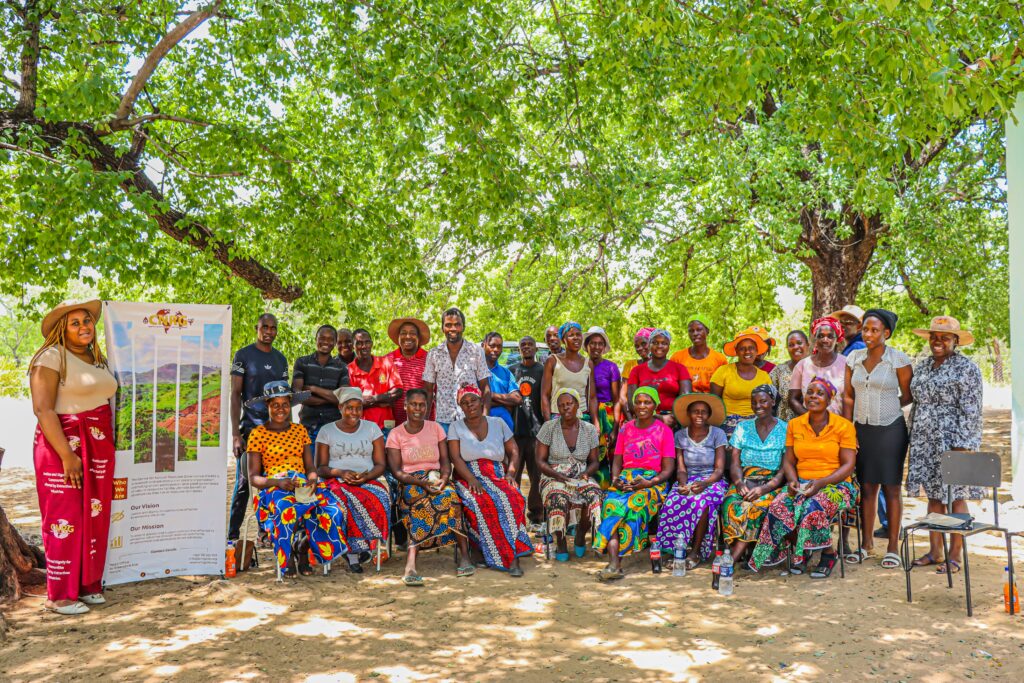
In a significant step towards promoting sustainable management of natural resources and addressing human-wildlife conflict, the Centre for Natural Resource Governance (CNRG) recently organized a Capacity Building Workshop on Environmental Laws for the Nengasha Community.
Situated adjacent to the renowned Hwange National Park, the community has long been grappling with the challenges posed by human-wildlife conflict and threats of mining-related displacement.
The workshop, held at Nengasha Primary School, aimed to provide the Nengasha Community with the necessary education, training, and support to understand and effectively utilize environmental laws and regulations.
Such overtures places villagers at a greater risk of livelihood disruption according to a civic rights expert Ndaizivei Garura CNRG Project Officer for Matebeleland on the sidelines of a for a Capacity Building Workshop on Environmental Laws at Nengasha Primary School in Hwange District.
She said reports that in 2023 an unidentified Chinese miner visited Nengasha primary school where they purported to have found coal reserves targeted for exploration, places the community at risk.
Garura said advocacy for sustainable developments through responsible investments, is hinged on the pronounced investment masterplan of the government to attract socially responsible investors in line with regional and global trends.
“Such prevailing threats to the communal livelihoods only exacerbate the existing human wildlife conflict and the debilitating socio-economic hardships in rural communities. This necessitated a capacity building workshop for the villagers on how to defend their rights using non-violent advocacy tools.
“By providing education, training, and support to enable them to understand and utilize environmental laws and regulations the community can be able to actively participate, advocate for their rights, and ensure the sustainable management of their natural resources.
“This should result in a more equitable and environmentally conscious approach to human-wildlife conflict and threats to mining-related displacement, aiming to strike a balance between development and conservation,” said Garura.
A groundbreaking community-led environmental audit report to assess the impact of Hwange Colliery operations on the community launched details extensive pollution and environmental degradation from mining activities.
Key findings of the community audit report note the prevailing disconnect between business, community rights, and legal compliance, prerequisites for sustainable operations in the mining sector.
The audit report facilitated by CNRG is another tool to advocate against the adverse environmental impact by interrogating fossil fuel-powered industrialization and extraction of coal as well as the pervasive impact of operations on health and livelihoods.
By equipping community members with this vital knowledge, CNRG aims to empower them to actively participate in decision-making processes, advocate for their rights, and ensure the sustainable management of their natural resources.
Furthermore, the workshop also addressed the concerns surrounding mining-related displacement, which has been a growing threat to the Nengasha Community’s livelihoods. By educating community members about their rights and legal protections, CNRG empowered them to effectively engage with mining companies and government bodies, ensuring that their voices are heard and their interests are safeguarded.
The capacity-building workshop also emphasized the need for a balanced and equitable approach to development and conservation. Informed communities, with a comprehensive understanding of environmental laws and regulations, are key to sustainable development.
“We believe that empowering communities with knowledge about their environmental rights is crucial in fostering a more harmonious relationship between humans, wildlife, and the environment,” said Garura.
“By equipping the Nengasha Community with the tools they need, we are hopeful that they will be able to actively participate in decision-making processes and ensure the sustainable coexistence of human activities and wildlife conservation.”
The workshop concluded with community members expressing their appreciation for the knowledge gained and their commitment to applying it in their daily lives. With the support of CNRG, the Nengasha Community will be better equipped to address human-wildlife conflict and mining-related displacement, striving towards a more balanced and environmentally conscious future.
CNRG continues to empower local communities through capacity-building workshops on environmental laws so that the communities benefit from such initiatives, leading to a more equitable and harmonious coexistence between humans and the natural world.