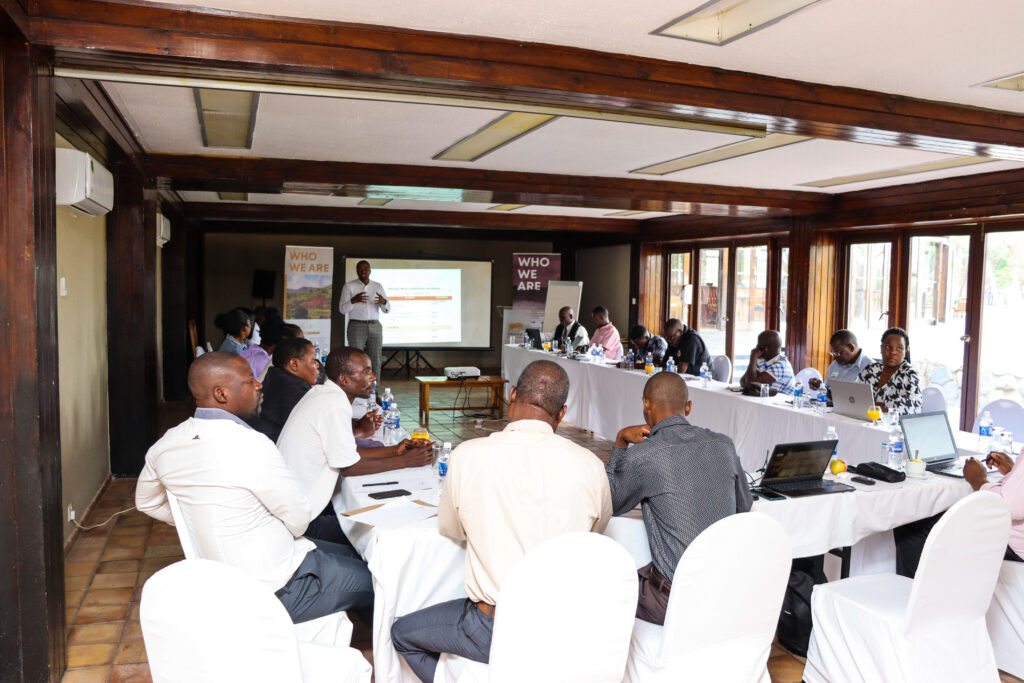
In order to promote sustainable knowledge sharing at the district level and thereby enhance stakeholder participation in environmental management in Hwange, The Centre for Natural Resource Governance (CNRG) organized a multi-stakeholder dialogue on October 31, 2023, with local Community-Based Organizations (CBOs), the Hwange Rural District Council, and the Hwange Local Board.
The workshop’s goal was to promote a participatory and all-inclusive natural resource management model for Hwange that feeds into the district’s strategic development, as well as to strengthen communities so that they can successfully hold duty-bearers, state actors, and the executive accountable.
It was in line with the Strengthening Extractive and Natural Resources Sector Transparency and Accountability through Citizen Action and Parliamentary Oversight in Zimbabwe (STACAP) project which is being implemented by CNRG and supported by USAID.
The discussions focused on finding sustainable domestic solutions to stop illegal mining, conflicts between humans and wildlife, and deforestation in Hwange.
Hwange is home to a variety of ecosystems which include national parks and wooded areas, as well as coal mining operations.
However, there are still issues in Hwange District that need to be resolved, such as illegal mining, human-wildlife conflict, deforestation, and insufficient funding for natural resource management community initiatives.
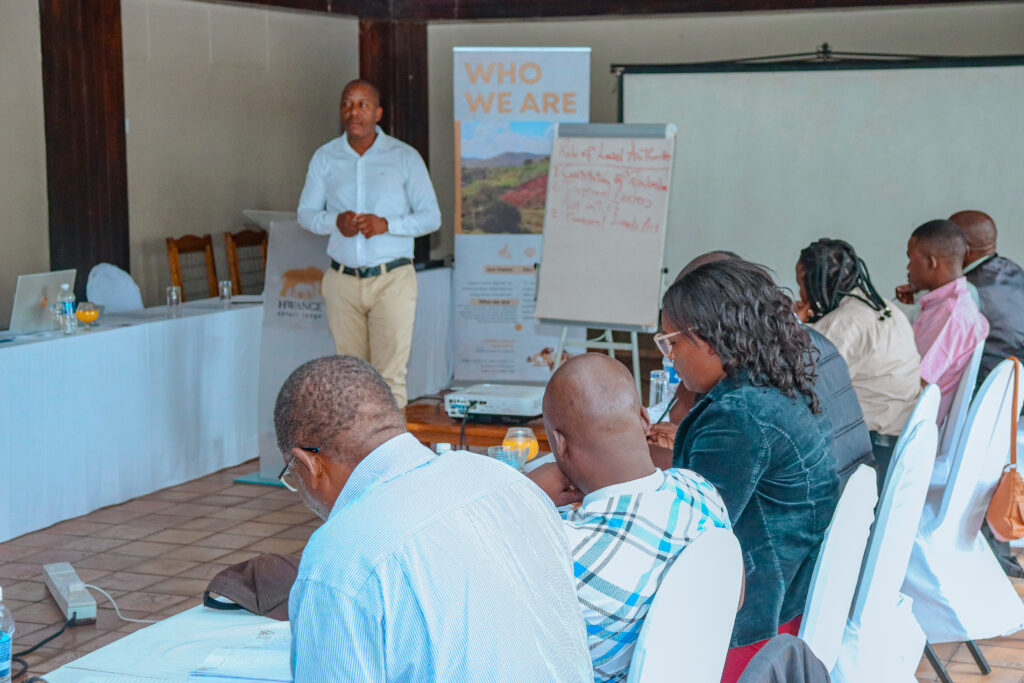
Speaking on the role of local authorities in community development Simbarashe Kaela, Principal Administrator in the District Development Committee’s office, emphasized the importance of communities and local authorities working together to solve challenges in Hwange.
“The reason we have local authorities is to ensure that development begins at the bottom. Hwange has an abundance of natural resources, including minerals and wildlife. It is thus the role of the local authorities to collaborate with communities to develop homegrown solutions to the problems that Hwange has faced over the years,” said Kaela.
He added that in order to increase community members’ understanding of pollution, deforestation, and wildlife conservation, environmental education is essential.
CNRG has been empowering the Hwange community through its five pillars of climate justice, mineral resource governance, gender and extractives, ecosystems and wildlife, and land and water resources to effectively contribute to good natural resource governance for their ultimate benefit.
Various stakeholder engagement platforms have been created to facilitate dialogue between duty-bearers and rights-holders to foster a symbiotic relationship between those stakeholders.