
By Kudzanai Chimombe
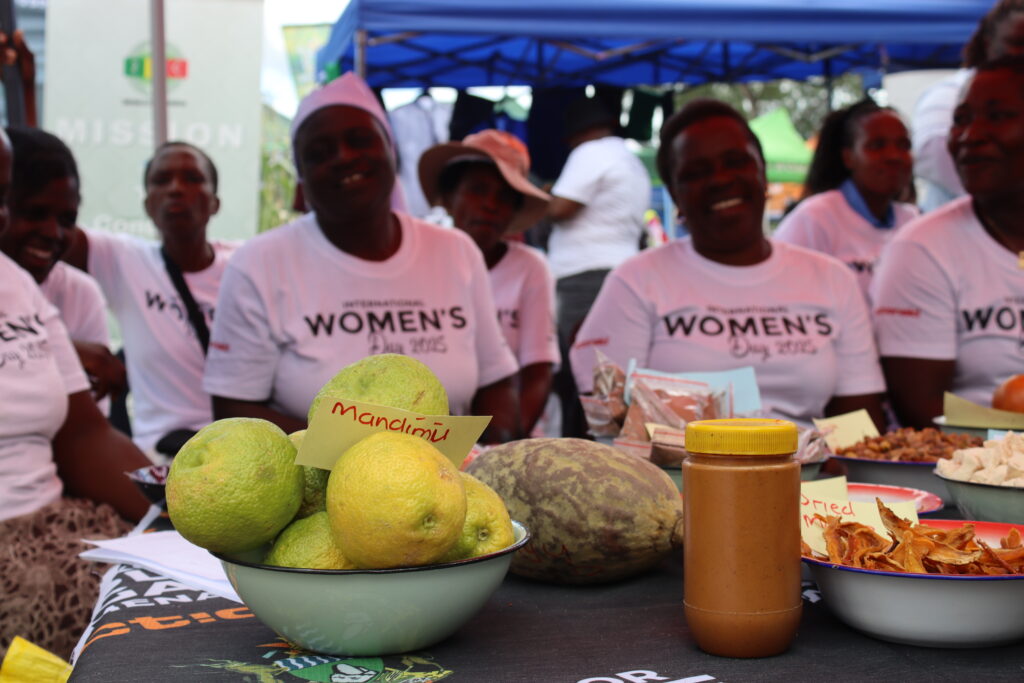
As the world celebrated International Rural Women’s Day on October 15, I found myself contemplating the future of rural women in Zimbabwe. In these communities, land and water are not merely resources, they are vital for women’s livelihoods, shelter, net worth, and most importantly, sovereignty and choice.
The International Day of Rural Women (IDRW), established by the United Nations General Assembly through Resolution 62/136 on December 18, 2007, recognizes the critical roles and contributions of rural women in agriculture, food security, and sustainable development.
In 2025, the African Union’s theme, “Justice for Africans and People of African Descent through Reparations,” will emphasize advancing reparatory justice as a pathway to empower rural women and promote inclusive, resilient, and sustainable agri-food systems across Africa.
Challenges Facing Rural Women
In East and Southern Africa, women are the backbone of rural livelihoods and natural resource management. However, as the region grapples with climate change, land degradation, and biodiversity loss, progress often appears superficial. Increased stress from land degradation is linked to higher school drop-out rates for girls and rising child marriage rates as families face income losses. As droughts worsen, women and girls are compelled to travel longer distances for water and fuelwood, limiting their participation in education and income-generating activities.
The rising frequency of climate-induced disasters such as cyclones and floods in East and Southern Africa including Malawi, Mozambique, and Zimbabwe has led to severe hunger crises. During these crises, women’s responsibilities in household care increase. Food scarcity results in malnutrition among women and girls, with negative coping mechanisms, such as school withdrawal and early marriage, becoming more prevalent. The UN Women’s 2025 Gender Snapshot analysis warns that climate change risks could push over 158 million women and girls into extreme poverty by 2050, nearly half of whom reside in Sub-Saharan Africa.
Local Impacts of Extractivism
Closer to home, rural areas in Manicaland, Mashonaland East, Midlands, and Matabeleland North have witnessed significant encroachments by Chinese mining companies, devastating the environment and displacing rural women without compensation or consultation. In places like Bikita, Mberengwa, Bubi, Mutoko, Marange, Buhera, Mutasa, and Goromonzi, one must ask, is there anything to celebrate for these rural women?
Years of efforts by government, international organizations, civil society groups, and religious sects to redress past injustices stemming from colonization, legislation, and cultural norms disproportionately affecting women have been undermined by the new threat of destructive extractivism. Communal lands have been invaded, transforming once-productive farmland into vast open-pit mining sites, leading to environmental destruction and further marginalizing rural women.
Systemic Issues and the Need for Change
The situation is exacerbated by traditional land tenure systems that leave rural women reliant on customary access to land, which is not formally documented. This makes it easier for them to be displaced when investors come calling. Can we genuinely discuss reparations for past injustices while we are in the midst of ongoing injustices? Should this be allowed to continue?
What precedent are we setting for future generations when investors take all, disregarding the effects on present and future indigenous communities?
Zimbabwe is in urgent need of systemic transformations, including economic restructuring, cultural restitution, and institutional reforms, to achieve equity and prosperity for affected communities.
As we reflect on International Rural Women’s Day, it is crucial to recognize that the fight for justice and equality for rural women in Zimbabwe is far from over. We must prioritize their voices and rights in discussions about reparations and sustainable development. The time for action is now; the future of rural women and, by extension, the future of Zimbabwe depends on it